
Become GERMAN
SPEAK LIKE A REAL NATIVE
AUTHENTIC GERMAN LIVING
From its unification in 1871 under Otto von Bismarck to its central role in shaping modern Europe, Germany has been a driving force in global history. Its legacy spans centuries, marked by groundbreaking contributions to science, philosophy, music, and industry. From the poetic Romanticism of Goethe and Schiller to the transformative ideas of Einstein and Kant, Germany’s cultural and intellectual heritage is unmatched. Its landscapes, ranging from the Black Forest to the Bavarian Alps, provide a backdrop to a nation steeped in tradition yet embracing innovation.
After reunification in 1990, Germany emerged as a global leader in economic and political spheres. A founding member of the European Union and the engine of its economy, Germany champions innovation, sustainability, and cultural exchange. Its vibrant cities like Berlin and Munich, coupled with its focus on education and green energy, reflect a nation that respects its past while building for the future. Today, Germany is celebrated for its precision engineering, rich culinary traditions, and commitment to progress.
We have curated a collection of cultural insights to help you navigate the unique German way of life, teaching you German words and phrases that textbooks and courses often overlook, so you can connect with its culture on a deeper level.


EXPAND YOUR KNOWLEDGE
If you are serious about learning German, we recommend that you download the Complete German Master Course.
You will receive all the information available on the website in a convenient portable digital format as well as additional contents: over 15.000 Vocabulary Words and Useful Phrases, in-depth explanations and exercises for all Grammar Rules, exclusive articles with Cultural Insights that you won't find in any other textbook so you can amaze your German-speaking friends thanks to your knowledge of their country and history.
With a one-time purchase you will also get hours of Podcasts to Practice your German listening skills as well as Dialogues with Exercises to achieve your own Master Certificate.
Start speaking German today!
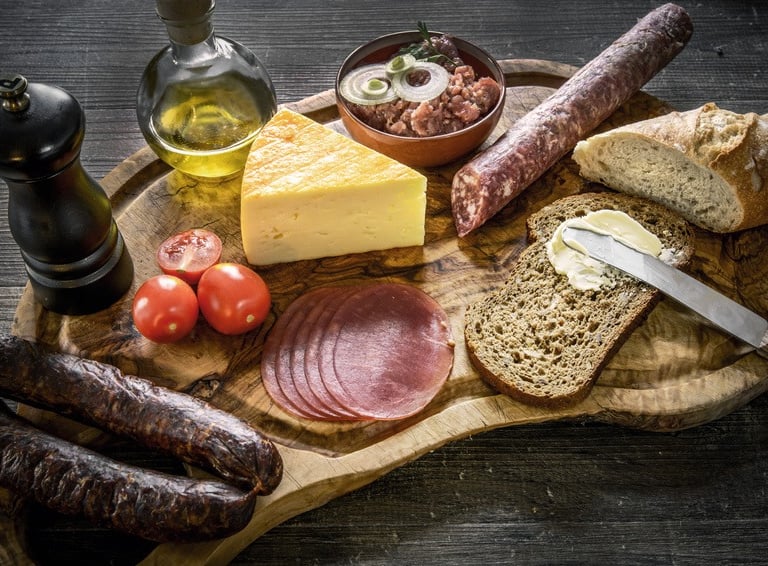
ABENDBROT
Abendbrot (evening bread) refers to a traditional German evening meal centered on cold foods, simple preparation, and daily routine. It remains a defining feature of domestic life across Germany, reflecting historical eating patterns and cultural norms surrounding family time, nutrition, and work schedules. The meal typically consists of sliced bread, spreads, cheeses, and cold cuts, and it contrasts with the hot midday meal that historically dominated the day. Although modern work habits have changed eating patterns for some households, the concept continues to hold strong cultural value.
In many regions, the foundation of this meal is Brot (bread), especially dense and nutritious varieties such as Schwarzbrot (dark rye bread) or Bauernbrot (farmhouse bread). These breads developed as practical staples suited to long storage, reflecting agrarian traditions and regional grain availability. The bread is commonly accompanied by Aufschnitt (cold cuts), which may include ham, salami, or cured meats. These items represent long-standing preservation methods such as salting and smoking, important in German food history before refrigeration became widespread.
Cheese also plays a consistent role, often served as Käse (cheese), ranging from mild regional varieties to stronger alpine styles. Alongside cheese and meats, spreads such as Quark (fresh dairy spread) and Obazda (Bavarian cheese spread) appear frequently, each reflecting local agricultural production. Vegetables like cucumbers, tomatoes, and radishes are common additions, tied to the tradition of fresh garden produce and seasonal availability. These elements underline the practicality and nutritional balance typical of the meal.
The social context of Abendbrot is equally significant. The meal is often linked to Feierabend (time after work), a culturally important period dedicated to rest and personal life. Because preparation is minimal, it supports an emphasis on slowing down after work and spending time with family. This connection highlights broader values associated with Gemütlichkeit (cozy sociability), which continues to shape domestic and community interactions throughout Germany.
In some areas, Abendbrot appears in specialized forms influenced by regional customs. In Bavaria or Baden-Württemberg, elements traditionally found during Vesper (light meal with cold foods) may be integrated into the evening setting. In northern regions, fish-based items such as Fischbrötchen (fish sandwich) can appear, revealing the influence of maritime food culture. These variations illustrate how geography shapes local eating traditions while maintaining the structure of a cold, bread-centered meal.
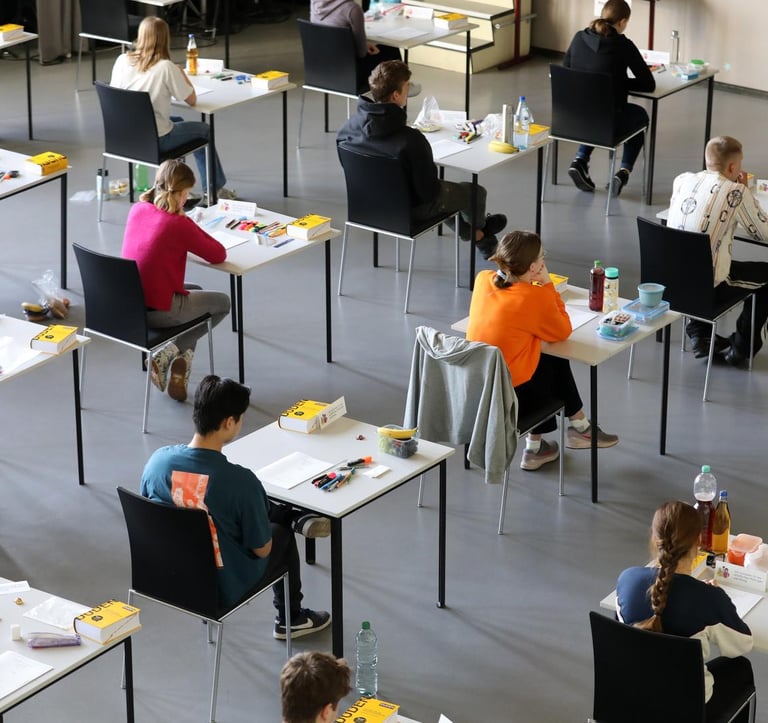
ABITUR
Abitur (final secondary school examination) is the German qualification that certifies completion of upper-level secondary education and grants eligibility for university admission. It represents both an academic milestone and a regulatory mechanism for higher education access across Germany’s federal states. While the structure varies slightly from one state to another, the purpose remains consistent: to assess whether students have achieved the competencies required for academic study. The qualification is issued after several years of coursework combined with standardized written and oral examinations, forming the culmination of the Gymnasium (academic secondary school) track or its equivalent pathways.
The modern system reflects long-standing traditions in German education. Instruction leading to the Abitur emphasizes analytical thinking, structured reasoning, and broad subject exposure. Students typically select a set of Leistungskurse (advanced courses) in which they specialize and receive more intensive tuition. These subjects commonly include German, mathematics, sciences, foreign languages, or social sciences. Alongside these, students continue with Grundkurse (basic courses), ensuring a general academic foundation. The balance between specialization and breadth aligns with German educational principles that prioritize depth of knowledge while preserving comprehensive learning.
Assessment procedures are central to the qualification’s credibility. Examinations typically include multiple written components supervised under standardized conditions, followed by at least one mündliche Prüfung (oral examination). The subjects tested depend on student choices, but German and mathematics appear frequently due to nationwide expectations. The grading system uses the established point-scale approach, where cumulative results determine the overall Abiturnote (final Abitur grade), which directly influences university admissions. Universities may require higher grades for competitive programs such as medicine, engineering, or law, linking performance with future academic trajectories.
Regional differences exist but operate within a harmonized framework. Each federal state administers its examinations through the Kultusministerium (state ministry of education), which sets specific requirements while adhering to national guidelines for comparability. This federal structure ensures both regional autonomy and nationwide recognition of the qualification. Efforts toward harmonization, known through processes like the Bildungsstandards (educational standards), aim to reduce variations and support equal opportunities for students across the country.
The credential is closely connected to Germany’s reputation for rigorous education and supports pathways linked to the Mittelstand (small and medium-sized enterprises), research institutions, and public administration.
ALMABTRIEB
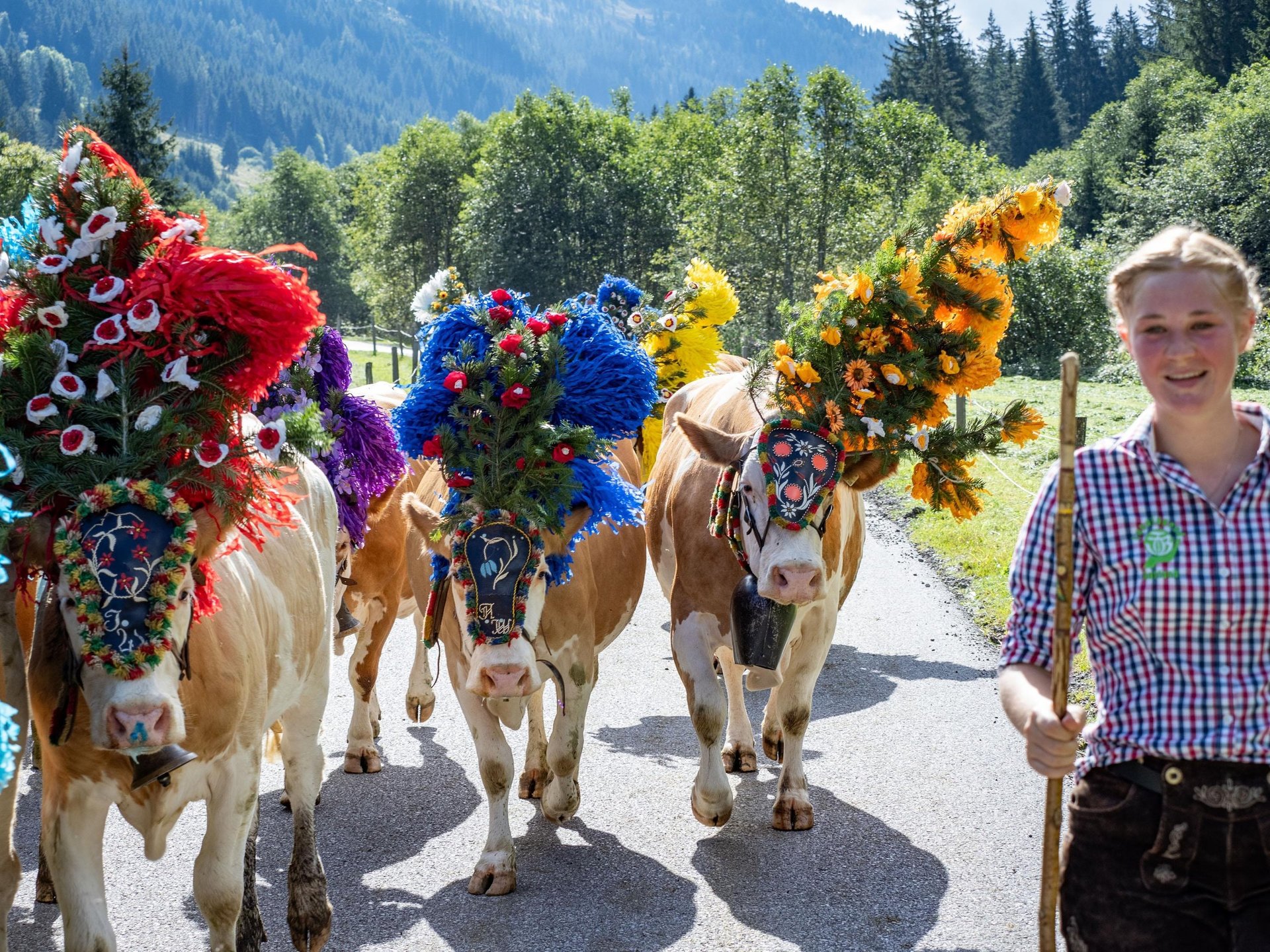
Almabtrieb (ceremonial cattle drive) refers to the traditional autumn event in alpine regions of Germany, Austria, and Switzerland in which cattle are brought down from high mountain pastures after the summer grazing season. Although primarily associated with pastoral agriculture, the custom has developed into a culturally significant celebration. It marks the end of the Almsommer (summer on the alpine pasture), when herds graze on nutrient-rich alpine meadows. The return of the animals to the valley is accompanied by decorated cattle, regional music, and community gatherings, reflecting both agricultural rhythms and long-standing alpine traditions.
The event has deep agricultural roots. During the summer months, herders known as Senn (alpine dairyman) care for the animals in remote high-altitude pastures and produce regional products such as alpine butter and cheese. The grazing on mountain vegetation contributes to the production of Alpkäse (alpine cheese), which holds protected status in certain regions due to its characteristic flavor profile derived from diverse mountain flora. When autumn temperatures begin to fall and weather becomes unpredictable, the Almabtrieb signals the safe return of the livestock to the valley barns, where they will remain through the winter months.
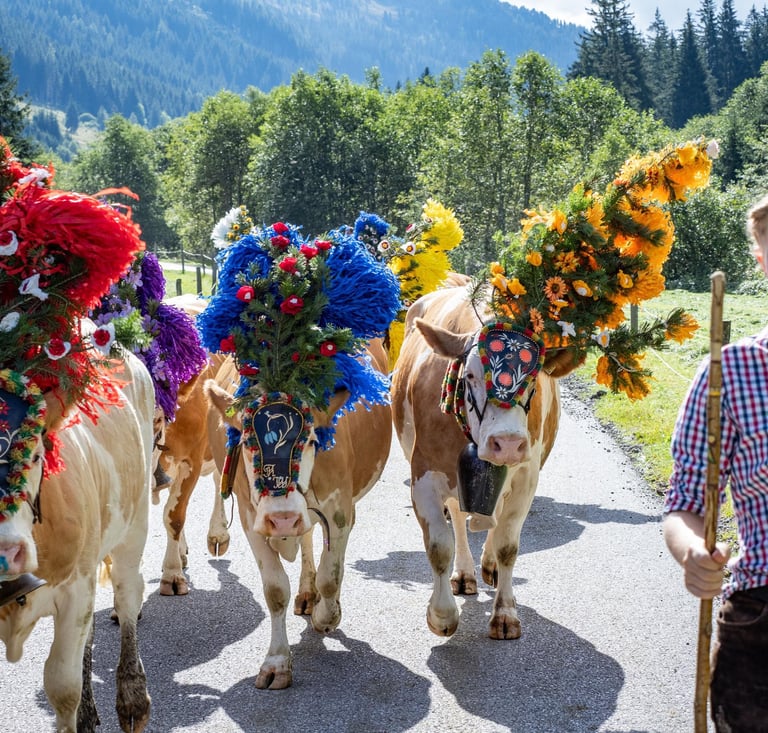
A distinctive feature of the celebration is the elaborate decoration of the cattle. When the summer season has passed without accidents, the lead cow, called the Kranzkuh (crown cow), is adorned with ornate floral headdresses, mirrors, and intricately crafted ornaments. These decorations symbolize gratitude for a safe season and protection during the journey downhill. In contrast, if misfortune has occurred during the summer, the procession takes place without decorations, following the principle known as Stille Fahrt (silent procession), underscoring the ritual’s symbolic dimension.
The Almabtrieb is also closely connected to rural community life. In many villages, the return of the herds is welcomed with local festivals featuring music, regional costumes identified as Tracht (traditional folk costume), and foods typical of alpine agriculture. Visitors often participate in market activities where producers sell cheese, cured meats, and handcrafted goods. The practice strengthens regional identity and supports tourism, particularly in Bavaria, where the event forms part of the broader cultural landscape of alpine traditions.
Environmental and agricultural considerations also shape the custom. Mountain pasture grazing contributes to the maintenance of high-altitude ecosystems by preventing overgrowth, supporting biodiversity, and sustaining cultural landscapes known as Kulturlandschaft (managed cultural landscape).
AMPELMÄNNCHEN
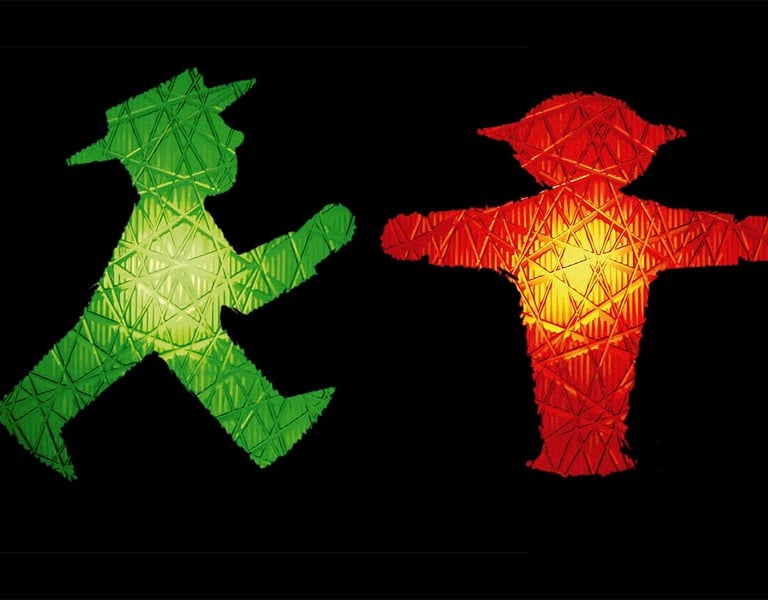
Ampelmännchen (pedestrian traffic light figure) refers to the stylized human icon used in pedestrian signals in the former East Germany and now widely recognized as a cultural symbol of German design history. Created in 1961 by traffic psychologist Karl Peglau, the figure was developed to improve road safety by providing a clear, easily interpretable signal for pedestrians, including children and elderly individuals. The design uses a distinctive hated silhouette, which made it visually unique compared to the more generic figures used internationally. After German reunification, the symbol gained renewed appreciation as an element of regional identity and cultural continuity.
The design was part of a larger effort to reform traffic communication during a period of increasing urban motorization. Peglau introduced the icon alongside the concept of Verkehrspsychologie (traffic psychology), emphasizing how visual clarity and recognizable shapes could influence pedestrian behavior. The illuminated red and green figures were intentionally expressive, with the red version standing firmly with outstretched arms and the green version shown in a dynamic walking posture. These characteristics helped the Ampelphase (traffic light phase) become more intuitive for users, especially at busy intersections.
During the decades of the German Democratic Republic, the Ampelmännchen became an everyday presence in cities. Its widespread familiarity made it a quiet but constant component of daily routines, reinforcing norms of Verkehrserziehung (traffic education) taught in schools. When reunification occurred in 1990, there were initial efforts to standardize traffic symbols across the country, and the East German figure faced replacement by the West German design. Public resistance, however, prompted campaigns for its preservation, reflecting the figure’s symbolic value and the growing sentiment known as Ostalgie (nostalgia for East Germany).
The figure eventually gained protected status in certain regions, and today it appears not only in traffic lights but also in merchandise and cultural branding. Businesses frequently incorporate it into products such as stationery, clothing, and souvenirs, transforming the once utilitarian signal into a recognizable emblem of Berlin and the eastern federal states. This commercial presence demonstrates how public infrastructure symbols can evolve into broader cultural artifacts through collective memory and identity.
Comparative studies of pedestrian symbols often reference the figure when discussing effective communication strategies in Stadtverkehr (urban traffic), particularly its ability to convey meaning quickly and universally without textual explanation. Today, pedestrian lights using the Ampelmännchen remain fully functional elements of city infrastructure, especially in Berlin, Brandenburg, Saxony, and Thuringia.


AUTOBAHN
Autobahn (motorway) refers to Germany’s federal controlled-access highway network, known for its engineering standards, extensive reach, and sections without mandatory speed limits. Developed throughout the twentieth century, the system forms the backbone of national transportation infrastructure. It connects major metropolitan regions, industrial centers, and border crossings, supporting both domestic mobility and international freight corridors across central Europe. The network operates under the designation Bundesautobahn (federal motorway), reflecting its administration at the national level rather than by individual federal states.
The origins of the Autobahn extend to early interwar experiments in road construction and high-speed travel. By the 1930s, planners focused on constructing long, uninterrupted routes designed exclusively for motor vehicles. Innovations included grade-separated interchanges, restricted access points, and standardized lane widths. The focus on engineering quality contributed to the development of Richtgeschwindigkeit (advisory speed), a recommended speed of 130 km/h introduced later to guide drivers despite the absence of mandatory limits on many stretches. These design choices made the system a reference point for motorway construction in other countries.
The technical structure of the Autobahn emphasizes durability and safety. Many sections use reinforced concrete or multilayer asphalt designed to withstand heavy freight traffic, known as Schwerlastverkehr (heavy goods traffic). Median barriers, emergency lanes, and controlled entry ramps contribute to accident prevention, while modern expansions incorporate noise-reduction walls and wildlife crossings. Traffic monitoring systems, grouped under Verkehrsleittechnik (traffic control technology), adjust speed recommendations, manage lane closures, and provide real-time information during congestion, construction work, or adverse weather conditions.
From an economic perspective, the Autobahn is crucial for Germany’s export-oriented economy. It facilitates the movement of goods between industrial hubs, ports, and neighboring countries, supporting logistical chains associated with automotive manufacturing, machinery production, and the Mittelstand (small and medium-sized enterprises). Freight companies depend on predictable transit times, and the network’s high-capacity design helps maintain efficiency within Europe’s largest economy. The system is also significant for cross-border trade, linking to the wider European motorway system through strategic corridors.
Environmental and policy debates shape contemporary discussions about the Autobahn. Some regions advocate extending mandatory speed limits to reduce emissions and enhance safety, while others emphasize the symbolic and practical value of unrestricted driving. Infrastructure maintenance, financed through federal budgets and revenue streams such as the Lkw-Maut (truck toll), remains a major political topic due to the high cost of repairs and modernization. At the same time, new projects incorporate ecological considerations, such as habitat protection and noise reduction measures, reflecting evolving transportation priorities.
The Autobahn also holds cultural significance. For many drivers, it represents the concept of Fahrvergnügen (joy of driving), associated with smooth road surfaces, long-distance mobility, and high-performance vehicles.
BIERGARTEN
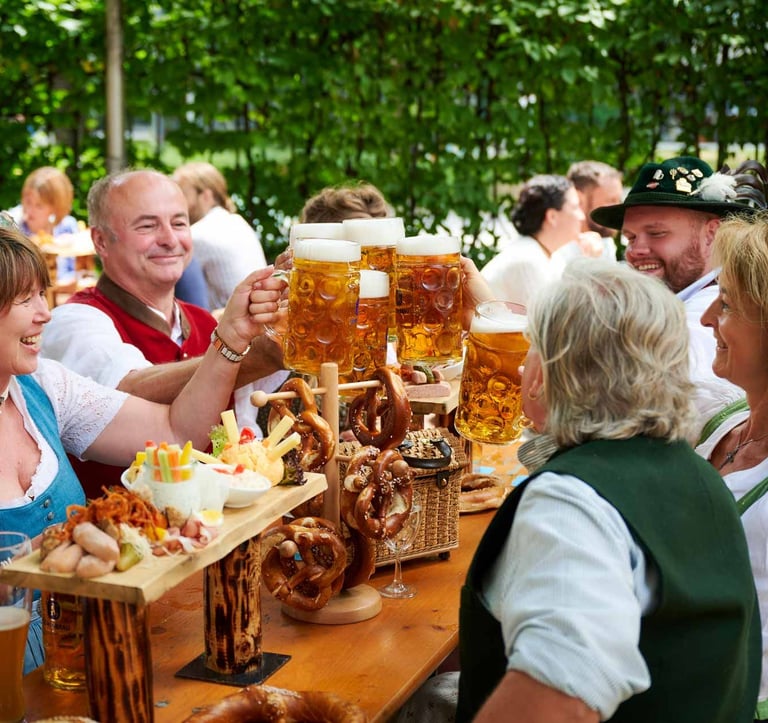
Biergarten (beer garden) refers to an outdoor drinking and dining area that originated in Bavaria during the nineteenth century and later spread throughout Germany. It is characterized by communal seating, shaded areas, and the service of beer alongside simple regional foods. The Biergarten developed as a response to brewing regulations that restricted breweries to producing bottom-fermented beer only in cool seasons. To meet demand during warmer months, breweries stored beer in cellars covered with gravel and shaded by trees. This practice led to the establishment of outdoor spaces above the cellars where guests could drink beer directly at the source, forming the foundation of the Biergarten tradition.
The sociocultural environment of the Biergarten is rooted in values associated with Geselligkeit (social conviviality), emphasizing shared space, relaxed interaction, and community inclusion. Seating arrangements typically use long wooden tables and benches where visitors sit side by side with strangers, fostering openness and informal conversation. This communal style aligns with broader Bavarian customs and contributes to the perception of Biergärten as democratic spaces welcoming to individuals, families, and groups. The atmosphere is reinforced by the presence of Kastanienbäume (chestnut trees), traditionally planted for shade and now iconic in the aesthetic of classic beer gardens.
Food offerings form another key aspect of the experience. Many Biergärten serve items typical of regional cuisine, such as Weißwurst (white sausage), Brezel (pretzel), and Radi (spiral-cut radish). At the same time, a distinctive tradition permits patrons to bring their own food, known as Brotzeit (snack meal), while purchasing beverages on site. This custom reflects historical regulations designed to encourage fairness among food vendors and breweries. The combination of purchased and self-brought foods contributes to the informal, inclusive nature of the setting, reinforcing the Biergarten’s role as a place for leisurely gatherings.
Beer served in traditional Biergärten often includes varieties such as Helles (light lager), Dunkel (dark lager), or Weizenbier (wheat beer), poured into characteristic glassware like the Maßkrug (one-liter beer mug). The practice of serving beer in large, standardized glass containers emerged from brewery traditions and contributes to the recognizable visual identity of Bavarian beer culture. Some Biergärten operate directly alongside breweries, maintaining historical connections to local production and reinforcing the cultural association between beer, craftsmanship, and regional identity.
Regulation and seasonal patterns shape the operation of Biergärten. Many function primarily during spring and summer, aligning with outdoor leisure and tourism cycles. They must comply with local guidelines concerning noise, seating, and alcohol service, influenced by the Gaststättenverordnung (hospitality regulation) in each federal state. Despite regulatory frameworks, Biergärten maintain a relaxed atmosphere that appeals to residents and visitors alike. Their role as social hubs is reinforced through events, live music, and community festivals held on the premises.
BREZEL
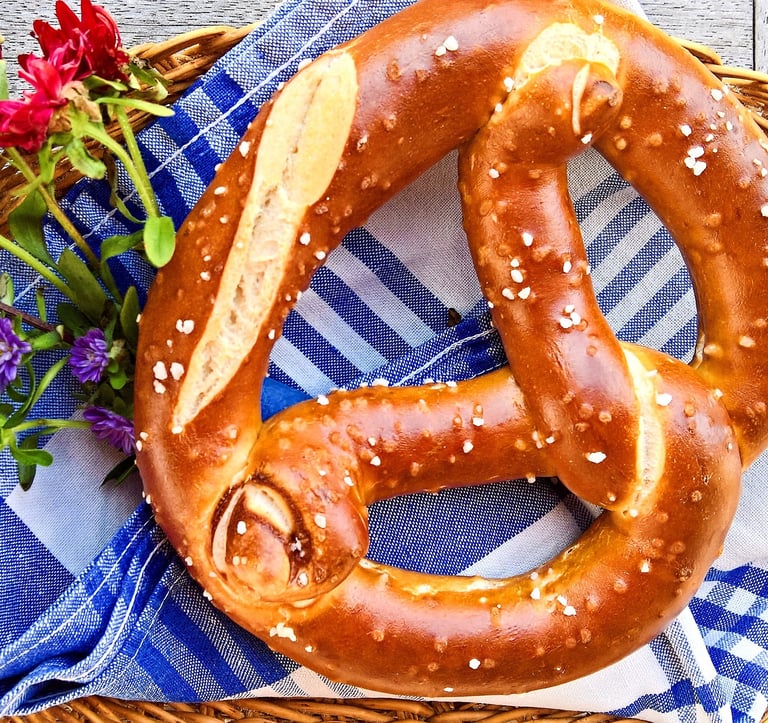
Brezel (pretzel) refers to a traditional German baked good shaped into its characteristic looped form and recognized for its glossy brown crust and soft, chewy interior. It is closely associated with southern Germany, particularly Bavaria and Swabia, and forms an essential part of regional food culture. The typical appearance results from dipping the dough in a lye solution before baking, a process central to its identity. The Brezel appears in a wide range of settings, from everyday breakfasts to large public festivals, illustrating its versatility and long-standing cultural presence in German-speaking regions.
The production process reflects regional baking traditions. The dough is usually made from wheat flour, water, yeast, and salt, shaped into the distinctive twist, and dipped briefly into Laugenlösung (lye solution) before baking. This step produces the characteristic color, flavor, and texture of the crust. The finished product is often sprinkled with Grobsalz (coarse salt), although variations include seeds such as sesame or poppy. In many areas, master bakers maintain strict standards related to size, texture, and baking time, demonstrating the importance of craftsmanship in traditional German bakery culture.
The Brezel plays a prominent role in regional customs and daily meals. In Bavaria, it frequently accompanies Weißwurst (white sausage), typically served in the morning, highlighting its place in local culinary routines. In Swabia, a softer, airier version known as Schwäbische Brezel (Swabian pretzel) is widely consumed and distinguished by its thinner arms and thicker belly. The baked good is also sold in beer gardens alongside Bier (beer), reinforcing its role in leisure environments. These variations illustrate how regional preferences shape both form and preparation techniques.
Historically, the Brezel carries symbolic value. Medieval guilds associated the shape with religious symbolism, and pretzels were often given during fasting periods or festive occasions. Monasteries played a significant role in early production, contributing to the spread of the baking technique. Over time, Brezeln became common in marketplaces and urban bakeries, reflecting increasing urbanization and the development of standardized baking practices. The association with baker guilds is reflected in the Bäckerzeichen (bakers’ sign), which often incorporates pretzel imagery.
During Oktoberfest and other festivals, large versions called Riesenbrezeln (giant pretzels) are sold, highlighting commercial and cultural significance. Many cities hold events or competitions related to traditional baking, reinforcing community identity and sustaining interest in regional food heritage.
BRÖTCHEN
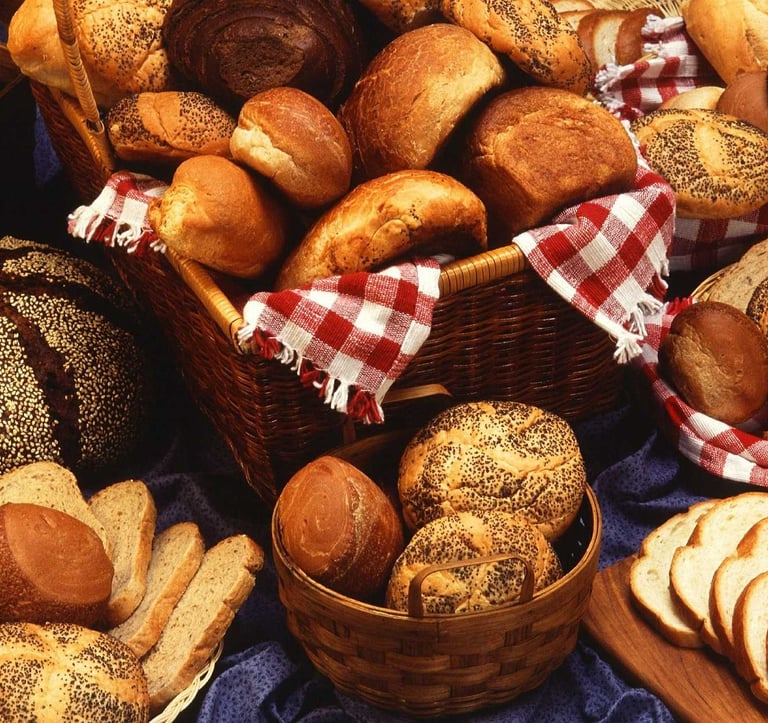
Brötchen (bread roll) refers to the small, individually portioned bread rolls that form a central component of German breakfast culture and everyday meals. They are widely consumed across all regions of Germany and represent one of the most recognizable elements of the national bread tradition. Brötchen vary in shape, crust, and flour composition, reflecting the diversity of regional baking practices. Their role in daily routines highlights the importance of fresh bread in German households, where visiting a bakery each morning remains common in many communities.
Production methods reflect craftsmanship seen throughout German baking. The dough is typically composed of wheat flour, water, yeast, and salt, though some variants incorporate mixed grains. The shaping process often includes scoring the dough with a cut known as the Schnitt (bread roll slash), allowing steam to escape and forming the characteristic crust pattern during baking. Bakers frequently rely on long fermentation techniques known as Teigruhe (dough resting period), which enhance flavor and texture. These technical processes connect modern production with longstanding artisanal traditions within German bakery culture.
Regional varieties of Brötchen illustrate local preferences. In northern Germany, the common term is Rundstück (round roll), a name with historical roots in coastal cities. In Bavaria, a widespread variant is the Semmel (southern bread roll), recognized by its star-shaped scoring. In Swabia, consumers often choose Wecken (elongated roll), while in Berlin, the local form called Schrippe (Berlin-style split roll) features a distinctive central crease. These differences reflect both linguistic diversity and regional baking identities, demonstrating how everyday food items vary across the federal states.
The Brötchen is central to breakfast and evening meals. It commonly appears during Frühstück (breakfast), paired with butter, jams, cold cuts, cheeses, or spreads. During the evening meal known as Abendbrot (evening bread meal), Brötchen may be served alongside other types of bread, supporting the idea of simple, cold meals typical in many German households. In workplaces and schools, the Brötchen is a popular item for packed meals or quick snacks, contributing to its status as an accessible, portable food staple across age groups and professions.
Culturally and economically, Brötchen reflect the strength of the German bakery sector. Many towns maintain multiple independent bakeries, known as Bäckerei (bakery), where daily production emphasizes freshness. Consumers often value crispness and aroma, creating expectations that rolls be purchased shortly before consumption.


BRÜDER GRIMM
Brüder Grimm (Brothers Grimm) refers to Jacob and Wilhelm Grimm, the German scholars whose work in the nineteenth century profoundly shaped fields such as linguistics, folklore studies, and literary scholarship. They are best known internationally for their extensive collection of folk narratives, but within academic contexts they are equally significant for contributions to philology and the study of German language history. Their work reflects an era of intense interest in national identity, oral tradition, and comparative linguistics, positioning the brothers at the center of intellectual movements within German-speaking Europe.
The brothers began their careers as scholars of Germanistik (German studies), focusing on medieval texts and historical linguistics. Their research contributed to the systematic analysis of language development, culminating in the monumental Deutsches Wörterbuch (German dictionary), an encyclopedic work documenting vocabulary, etymology, and usage. Although the project spanned generations and was completed long after their deaths, its structure reflects the methodological rigor they established. Their linguistic research also produced Grimmsches Gesetz (Grimm’s Law), a principle describing consonant shifts in Indo-European languages and considered foundational in historical linguistics.
Their enduring popularity derives from their role as collectors of folk narratives known as Kinder- und Hausmärchen (Children’s and Household Tales), first published in 1812 and expanded in subsequent editions. The collection sought to preserve oral storytelling traditions during a period of accelerating social and cultural change. Many narratives were gathered from informants connected to local traditions, often shaped by rural life, moral instruction, and communal memory. Stories such as “Hansel and Gretel,” “Rumpelstiltskin,” and “Snow White” reflect broader patterns in European folklore and demonstrate how oral narratives adapt across time and region.
The Grimms’ editorial approach balanced preservation with adaptation. Early versions of the tales retained linguistic features characteristic of oral storytelling, but later editions underwent stylistic revisions to meet expectations of family readership. This process included modifications to narrative structure, reduction of certain violent elements, and incorporation of clearer moral themes. The evolving editions illustrate how the brothers negotiated between documenting authentic oral tradition and responding to cultural norms of nineteenth-century society. Their editorial decisions continue to inform debates in Volkskunde (folklore studies) and literary criticism.
Beyond their scholarly work, the brothers were active participants in intellectual and political life. They belonged to the Göttinger Sieben (Göttingen Seven), a group of professors who protested constitutional violations in the Kingdom of Hanover and were subsequently dismissed. This event strengthened their symbolic status within discussions of academic freedom and civic responsibility. Their engagement with political issues reflects the broader context of German unification movements and the pursuit of cultural cohesion through language and scholarship.
Institutions such as the Grimmwelt (Grimm World Museum) in Kassel highlight their role in shaping German cultural heritage. Through their combined contributions to language, literature, and folklore, the Brüder Grimm maintain a lasting presence in public consciousness.
BURSCHENSCHAFT
Burschenschaft (traditional student fraternity) refers to a type of student association established in German-speaking universities in the early nineteenth century, closely linked to emerging national movements, academic identity, and political activism. Unlike social fraternities focused primarily on leisure, the Burschenschaft historically emphasized ideals of unity, academic integrity, and civic responsibility. These organizations arose during a period marked by the aftermath of the Napoleonic Wars and growing interest in national cohesion among students. Their formation was tied to the pursuit of Vaterlandsliebe (patriotic devotion), shaping their early political and intellectual goals.
The origins of the Burschenschaft are connected to the founding of the Urburschenschaft (original Burschenschaft) in Jena in 1815. This group sought to unite students from various German states under shared values, rejecting regional divisions present in older student corporations. Their activities included public lectures, celebrations, and participation in broader political movements. Members valued Freiheitsstreben (striving for freedom), an ideal expressing their commitment to constitutional rights and national unity. These principles placed the associations at the forefront of early student political engagement.
During the nineteenth century, Burschenschaften became visible participants in major political events. Their presence at the 1817 Wartburg Festival reflected a symbolic protest against reactionary policies, while their role in the 1832 Hambach Festival highlighted participation in democratic and nationalist demonstrations. Governments responded with restrictive measures such as the Karlsbader Beschlüsse (Carlsbad Decrees), which targeted student activism and academic freedom. These measures illustrate how authorities viewed student organizations as influential actors within dissent and reform movements.
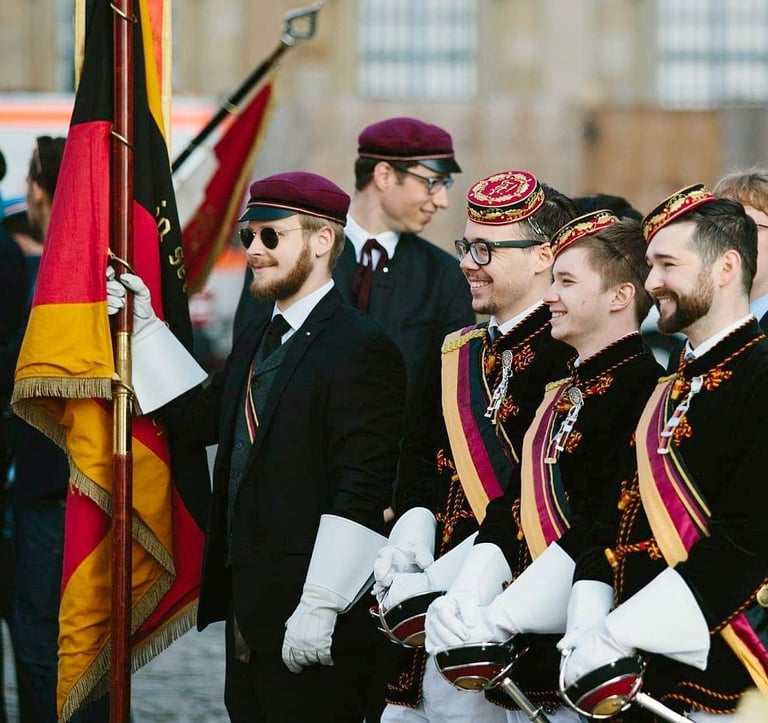
Internal culture shaped the identity of each association. Members adopted distinctive symbols such as the Farben (fraternity colors), ribbons called Band (fraternity sash), and embroidered caps known as Mütze (fraternity cap). Rituals reinforced group cohesion, including formal meetings, ceremonies, and the practice of regulated dueling known as Mensur (academic fencing). While the Mensur’s significance varies across organizations, it historically symbolized discipline, courage, and adherence to group norms. These traditions underline the structured, ceremonial character of fraternity life in German universities.
Academic and moral expectations also played a central role. Many Burschenschaften promoted Bildungsbürgerlichkeit (educated middle-class values), emphasizing scholarship, ethical conduct, and civic engagement. Members were encouraged to participate in public discourse, pursue professional careers, and contribute to social development. This connection between academic identity and public responsibility continues to shape the internal mission of many associations, even as social and political contexts have evolved.
The twentieth century brought periods of tension and transformation. During the National Socialist era, many Burschenschaften faced pressure to conform to state ideology, leading to dissolution or forced alignment. After 1945, organizations re-established themselves within democratic frameworks, often engaging in debates concerning historical responsibilities, political orientation, and the meaning of tradition. Contemporary Burschenschaften vary widely in structure, political stance, and membership, reflecting broader pluralism within academic life. Some focus primarily on heritage and networking, while others emphasize civic education or historical research.


CURRYWURST
Currywurst (curried sausage) refers to a widely popular German fast-food dish consisting of sliced pork sausage covered in a spiced tomato-based sauce. Originating in the mid-twentieth century, it has become one of the most recognizable examples of German street food culture. The dish is closely associated with post-war Berlin, where vendor Herta Heuwer created an early version in 1949 by combining ketchup, Worcestershire sauce, and curry powder. Its rapid spread across cities illustrates broader social and economic developments in the reconstruction period, when affordable, filling foods gained strong public appeal. Currywurst remains a staple of snack stands, food kiosks, and quick-service restaurants throughout the country.
The sauce, known as Currysauce (curry sauce), is fundamental to the dish’s identity. It typically contains tomato paste, vinegar, sugar, spices, and varying quantities of curry powder. Regional preferences influence sweetness levels, acidity, and spiciness. Some establishments add Paprikapulver (paprika powder) or Chilipulver (chili powder) to produce sharper flavors, while others use mild blends suited to broader audiences. Variations illustrate how local tastes shape fast-food traditions, despite the dish’s standardized basic components. The sauce is usually warmed and poured over the sliced sausage immediately before serving, creating a distinctive aromatic combination.
The sausage component, called Bratwurst (grilled sausage), varies across regions. In Berlin and northern Germany, a boiled, fine-textured pork sausage is common, often without casing. In western regions, grilled sausages with crispy skins appear more frequently. Food vendors typically prepare the dish on flat-top grills known as Bratplatte (grill plate), allowing rapid service during peak hours. The sausage is cut into bite-sized pieces and eaten with a small disposable fork, reinforcing the dish’s status as convenient street food suited to busy urban environments.
Currywurst is often accompanied by side dishes that reflect local eating habits. One widespread option is Pommes frites (French fries), usually served with sauces such as mayonnaise, ketchup, or a combination known as Pommes rot-weiß (red-white fries). In some regions, customers choose a bread roll called Brötchen (bread roll) to accompany the dish instead. These combinations highlight the adaptability of the meal within different fast-food settings, from small kiosks to large canteens and stadium concessions.
Culturally, Currywurst holds symbolic value tied to urban identity and working-class food culture. It became an essential part of everyday consumption during the economic recovery known as the Wirtschaftswunder (economic miracle), when quick and affordable meals supported laborers, office workers, and students. In Berlin, the dish developed into a city icon, associated with post-war resilience and the informal social fabric of food stands known as Imbiss (snack kiosks). Its representation in literature, film, and popular culture reflects a widespread recognition that reaches far beyond food itself.
DENGLISH
Denglisch (German–English hybrid language) refers to the mixture of German and English lexical elements that appears in everyday speech, business communication, advertising, youth slang, and digital media in German-speaking countries. The term is used both descriptively and critically to denote the increasing influence of English on contemporary German. This linguistic blending reflects globalization, technological development, and cultural exchange, and it raises ongoing debates about language preservation, clarity, and social identity. Denglisch is not a separate language but a fluid phenomenon that demonstrates how German adapts to new communicative contexts.
In everyday communication, Denglisch often emerges through Anglizismen (loanwords from English), which frequently replace existing German terms. Examples include expressions such as downloaden (to download) or managen (to manage), where English verbs acquire German grammatical endings. The spread of such forms is supported by the widespread use of English in fields like information technology, marketing, and science. Professional environments rely on terminology such as Meeting (meeting) and Feedback (feedback), illustrating the influence of English in workplace vocabulary. This incorporation reflects functional necessity in sectors where English serves as a lingua franca.
Advertising and branding also contribute significantly to Denglisch. Companies often employ English words to convey modernity, international appeal, or technological sophistication. Slogans and product names use hybrid forms such as Sale (sale event) or Lifestyle (lifestyle), which become integrated into consumer culture. The strategy aligns with marketing practices emphasizing global reach and youthful imagery. Critics argue that such usage may reduce linguistic precision, while supporters view it as a natural outcome of economic integration and cultural interconnectedness.
Youth culture and digital communication represent another major domain where Denglisch flourishes. Online interactions frequently incorporate expressions linked to gaming, social media, and digital platforms. Terms like liken (to like on social media) or posten (to post) exemplify this adaptation. The prevalence of English-language entertainment, including music, streaming, and gaming communities, further accelerates hybrid usage. These influences shape linguistic preferences among younger speakers and contribute to generational differences in language habits.
Debates concerning Denglisch often center on linguistic policy and preservation. Institutions responsible for language norms, including the Dudenredaktion (Duden editorial board), monitor the rise of English borrowings and evaluate their standardization. Some commentators advocate for replacing Anglicisms with German equivalents to maintain linguistic clarity, while others argue that languages evolve naturally through contact and adaptation.
DIRNDL
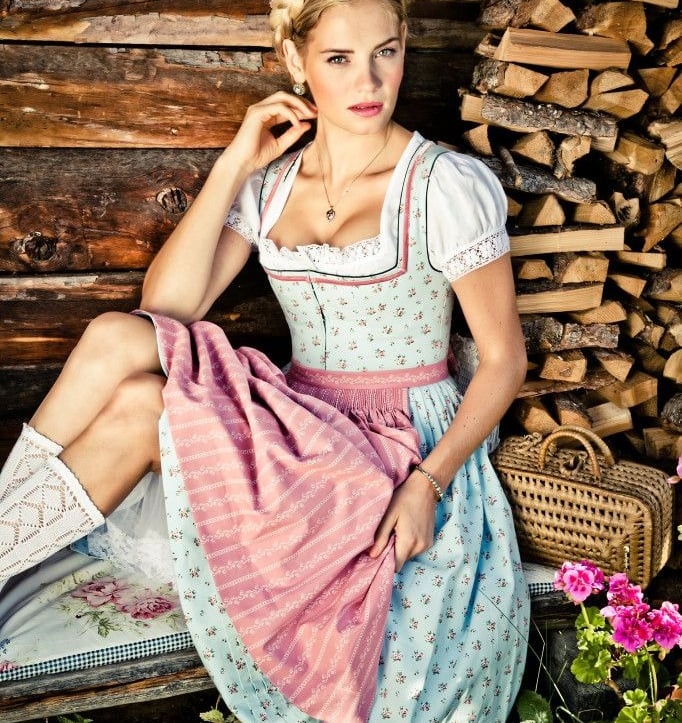
Dirndl (traditional women’s dress) refers to the regional costume worn primarily in Bavaria and Austria, consisting of a fitted bodice, blouse, full skirt, and apron. Originally derived from rural work clothing of the nineteenth century, the garment gradually developed into a symbol of alpine cultural identity. Its construction reflects historical tailoring practices in rural communities, where durable fabrics and practical cuts supported daily agricultural labor. Over time, urban fashion movements adopted and stylized the garment, transforming it from simple workwear into a recognized element of regional tradition.
The structure of a Dirndl is defined by several key components. The Mieder (bodice) fits closely to the upper body and may be laced, buttoned, or hooked, depending on regional style. Beneath the bodice is the Bluse (blouse), typically white and cropped, with sleeves and neckline shapes varying according to tradition or personal preference. The skirt, called the Rock (skirt), is gathered to create volume and allow freedom of movement. The outfit is completed by the Schürze (apron), which provides both decoration and functional layering. These elements together create the recognizable silhouette associated with alpine dress.
Regional differences contribute to the diversity of Dirndl styles. In Salzburg and Upper Austria, darker colors and modest cuts prevail, reflecting conservative rural traditions. In Bavaria, especially around Munich, brighter fabrics and decorative embroidery appear more frequently. These differences are further expressed through patterns such as checks, stripes, and floral prints. Accessories like the Charivari (decorative chain) add distinctive features, often incorporating small charms or coins that reference family history or local craft traditions.
The symbolism of the apron knot plays a notable role in social customs. The position of the Schleife (bow) may indicate aspects of the wearer’s status in traditional contexts. A bow tied on the right side is commonly interpreted as signifying that the wearer is in a relationship, while a bow on the left is associated with being single. Although not universally applied, this convention appears frequently in festival settings and contributes to the cultural meaning attached to the Dirndl.
Today, the garment is worn most prominently during regional festivals such as Oktoberfest and local Volksfest (folk festival) celebrations. Commercial designers produce modern interpretations with updated fabrics and fashion elements, while traditional tailors maintain historical forms.
DORFMENTALITÄT
Dorfmentalität (village mentality) refers to social attitudes and behavioral patterns typically associated with life in small rural communities in German-speaking regions. The term is often used to describe the close-knit, familiar, and sometimes conservative character of village society. It highlights how geographic scale, social proximity, and long-term interpersonal relationships influence community dynamics. Dorfmentalität is not a formal sociological category but a widely recognized cultural concept that helps explain differences between rural and urban lifestyles.
A key feature of Dorfmentalität is the emphasis on Nachbarschaft (neighborly relations), where residents know one another personally and engage in regular face-to-face interactions. These relationships can foster trust, mutual support, and shared responsibility. Practices such as assisting with agricultural tasks, participating in local events, or engaging in informal exchanges reinforce social cohesion. The familiarity among residents often leads to strong community monitoring, sometimes described as soziale Kontrolle (social oversight), reflecting the tendency for individual actions to be visible within a small population.
Tradition plays a substantial role in shaping local identity. Cultural customs, seasonal celebrations, and religious events remain central to village life, supported by associations known as Vereine (local clubs). These include volunteer fire brigades, music groups, and sports clubs, which serve as focal points for social interaction. Participation in Vereine reinforces a sense of belonging and maintains continuity across generations. Such structures illustrate how community organization in rural areas differs markedly from anonymous urban settings.
At the same time, Dorfmentalität can imply certain limitations or social expectations. The preference for established norms may contribute to Konformitätsdruck (pressure to conform), where deviation from community standards attracts attention or criticism. Newcomers sometimes face integration challenges due to long-standing social networks that shape local hierarchies. These dynamics help explain why rural communities may appear resistant to change, innovation, or external influences, even as they maintain strong internal cohesion.
Economic and demographic factors further influence the concept. Many villages have experienced population aging and outmigration as younger residents move to urban centers for employment or education. This shift affects the sustainability of local services such as Grundversorgung (basic services), including shops, schools, and medical practices.


EDELWEISS
Edelweiß (alpine edelweiss flower) refers to the small, white, star-shaped plant that grows in high alpine regions of Germany, Austria, and Switzerland. Recognized for its woolly petals and resilience in harsh climates, it has become one of the most emblematic symbols of the Alps. The plant thrives in rocky habitats above the tree line, where cold temperatures, strong winds, and intense sunlight shape its biological characteristics. Its limited natural range contributes to its status as a protected species under regional conservation laws.
Botanically, the Edelweiß belongs to the genus Leontopodium. Its distinctive appearance comes from the Filzhaare (felt-like hairs) that cover its leaves and bracts, helping the plant retain moisture and shield itself from ultraviolet radiation. These adaptations reflect survival strategies in extreme alpine environments. The flower typically grows in clusters along limestone outcrops, contributing to the fragile ecosystem known as Alpinrasen (alpine grassland), an environment sensitive to erosion and human activity.
The cultural significance of Edelweiß is deeply rooted in alpine traditions. Historically, it served as a symbol of Tapferkeit (bravery), since collecting the flower required climbing steep and dangerous slopes. This association appears in folklore, music, and regional literature. During the nineteenth century, the flower became linked to emerging ideas of national identity in the alpine regions, often representing purity, loyalty, and attachment to homeland. In many areas, it is connected to the concept of Heimat (homeland), illustrating emotional ties to mountain landscapes.
Military history also played a role in shaping the flower’s symbolism. Certain alpine units used the Edelweiß as an insignia, known as the Edelweißabzeichen (edelweiss badge), worn on uniforms to signify connection to mountain warfare traditions. This usage contributed to its recognition throughout German-speaking countries and reinforced associations with endurance and resilience. At the same time, conservation concerns increased as the flower became a sought-after souvenir among tourists.
Modern conservation measures protect wild populations. Edelweiß is included in regional protection lists enforced by Naturschutzgesetz (nature protection law), which restricts collection and regulates alpine tourism. Educational programs and nature reserves emphasize the importance of preserving fragile alpine habitats. Cultivated varieties now appear in gardens and alpine botanical collections, reducing pressure on wild populations while allowing public access to the plant’s visual appeal.
In contemporary culture, the Edelweiß remains a widely used emblem in tourism, regional branding, and traditional crafts. It appears on textiles, jewelry, and festival decorations, especially in Bavaria and Tyrol. Musicians and folk groups incorporate the flower into performances linked to Volksmusik (folk music), reinforcing its role in alpine cultural identity.
FACHWERKHAUS
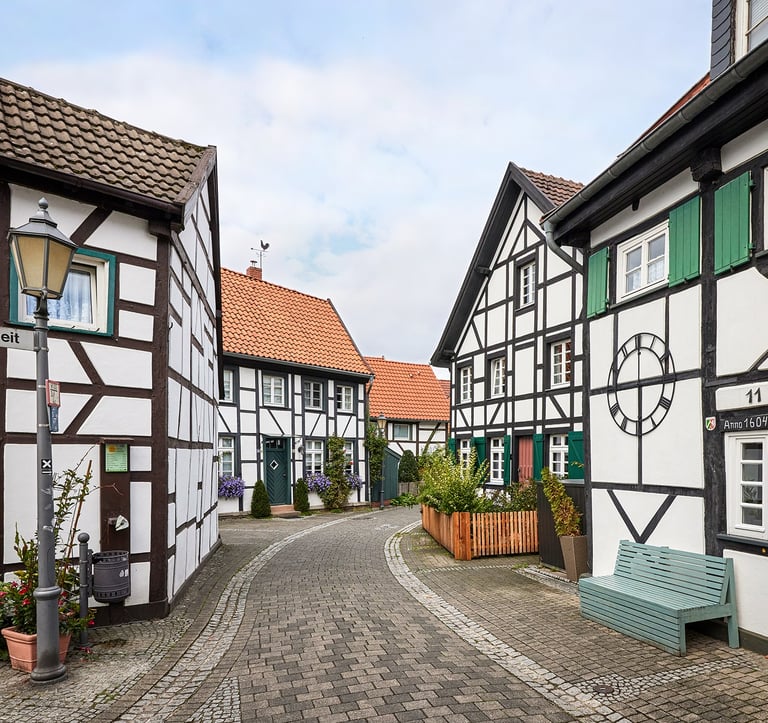
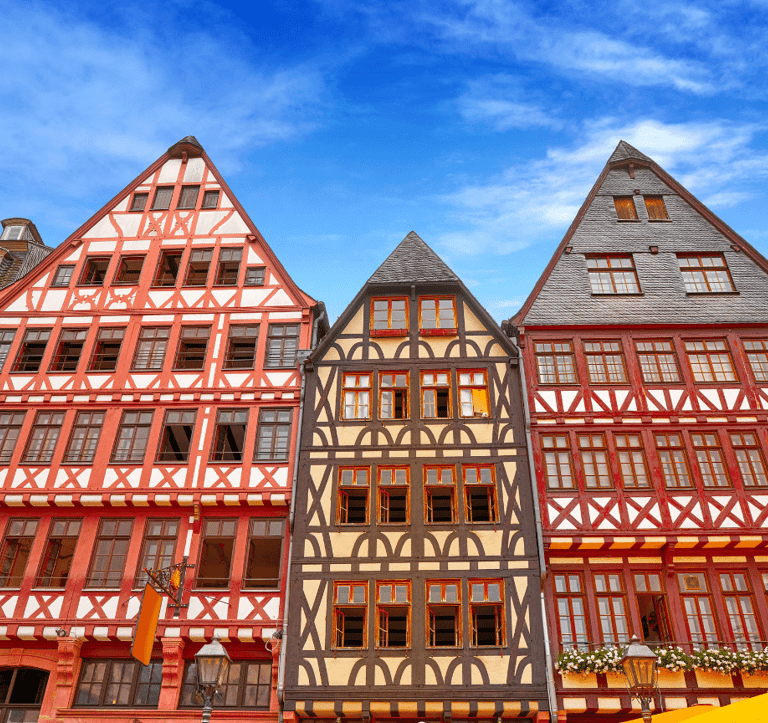
Fachwerkhaus (half-timbered house) refers to the traditional architectural style in which load-bearing wooden beams create a visible structural framework filled with materials such as wattle-and-daub, brick, or plaster. This construction method has been used in German-speaking regions for centuries and remains one of the most recognizable features of historical townscapes. The design reflects local craftsmanship, available materials, and building techniques shaped by regional climates and cultural traditions. Fachwerkhäuser appear in both rural villages and historic urban centers, forming a key component of Germany’s architectural heritage.
The structural system is defined by the Holzrahmen (timber frame), consisting of vertical posts, horizontal beams, and diagonal braces that provide stability. The infill, known as the Gefach (panel between beams), traditionally used clay mixed with straw, creating an insulating but lightweight wall. Over time, brick and stone became common in certain regions, especially where clay was less available. The visible wood pattern often forms decorative geometric motifs, illustrating the aesthetic dimension of structural engineering. Craftsmen used techniques such as the Zapfenverbindung (mortise-and-tenon joint), ensuring durability without modern fasteners.
Regional variations illustrate the diversity of this building tradition. In Hesse and Thuringia, dark timber with white plastered panels creates a striking contrast, while in Alsace and Baden-Württemberg, colored facades and ornate carvings appear more frequently. Northern Germany features Niederdeutsches Hallenhaus (Low German hall house), incorporating large central halls for mixed residential and agricultural use. In Franconia, the Fränkischer Dreiseithof (Franconian three-sided farmstead) integrates multiple Fachwerk structures around a courtyard. These differences reflect agricultural practices, climate, and social organization in each region.
Urban Fachwerkhäuser often occupy narrow plots shaped by medieval street layouts. Many towns preserve rows of such buildings forming historical ensembles protected under Denkmalschutz (monument protection law). Cities like Quedlinburg, Goslar, and Limburg an der Lahn maintain extensive Fachwerk districts that illustrate building traditions spanning several centuries. Preservation includes careful documentation, restoration methods, and the use of traditional materials to maintain authenticity. Techniques such as Lehmputz (clay plaster) and natural wood treatments ensure compatibility with historical construction.
The endurance of Fachwerkhaus architecture also relates to its functional qualities. The wooden frame provides flexibility that allows buildings to withstand structural movement, while breathable wall materials regulate indoor climate. Historically, these properties were advantageous in regions with variable weather patterns. Modern conservation efforts emphasize these ecological benefits, aligning traditional construction with contemporary sustainability principles.
Contemporary use of Fachwerkhaus structures varies. Some serve as private residences, guesthouses, or cultural institutions, while others house shops or restaurants in historical town centers.
FASTNACHT
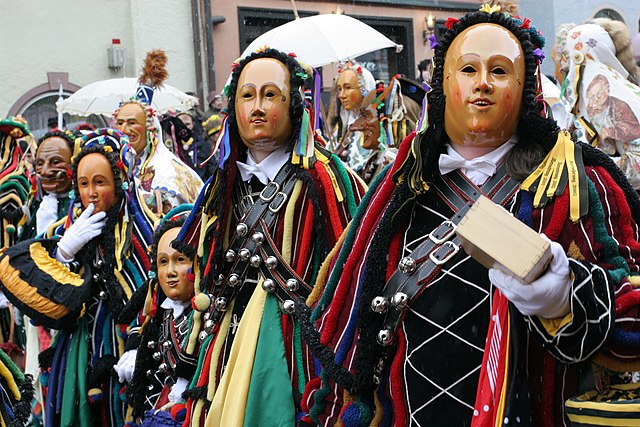
Fastnacht (pre-Lenten carnival period) refers to the traditional festive season that precedes Lent in many German-speaking regions. It is characterized by costumes, parades, music, and community celebrations rooted in centuries-old customs. The term is especially common in southwestern Germany, including Baden, Swabia, and parts of the Rhineland. Fastnacht functions both as a cultural expression and as a seasonal marker tied to the liturgical calendar. Its practices illustrate historical rhythms of rural life, social inversion, and communal identity.
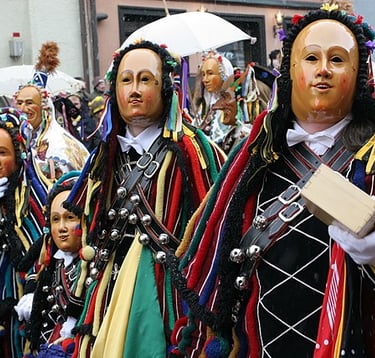
A central element of Fastnacht is the use of carved wooden masks called Larven (carnival masks), worn by participants in parades and street performances. These masks represent characters associated with local folklore, historical figures, or symbolic roles such as fools and demons. Groups known as Narrenzünfte (guilds of carnival jesters) organize events, manage traditional costumes, and maintain continuity in the customs passed down across generations. Their activities reinforce regional identity and highlight the organizational structure that underlies the festivities.
Costuming plays a major role in shaping the atmosphere. Participants wear Häs (traditional carnival costume), often handmade and decorated with fabric patches, bells, or embroidered motifs. The sound of bells called Schellen (small bells) is a familiar feature of processions, intended historically to chase away winter spirits or symbolize renewal. The presence of musicians performing Guggenmusik (carnival brass music) contributes to the sonic landscape, combining humor, improvisation, and rhythmic energy. These auditory and visual elements distinguish Fastnacht from other European carnival traditions.
The festivities often follow a structured timeline influenced by local customs. Celebrations may begin on the Schmotziger Donnerstag (Fat Thursday), marking the formal onset of carnival activities. Parades, village gatherings, and symbolic rituals continue through the weekend, culminating on Rosenmontag (Rose Monday), a major day of public events in many regions. In some towns, a final procession on Shrove Tuesday is followed by the symbolic burning of a figure called the Fastnachtspuppe (carnival effigy), marking the end of festivities and the transition into Lent.
Historically, Fastnacht allowed communities to momentarily invert social hierarchies and indulge in humor, satire, and exaggeration. The tradition incorporates elements of Brauchtum (customary tradition), illustrating how rural populations managed seasonal transitions and expressed collective identity. Over time, these symbolic meanings blended with Christian liturgical practices, creating a hybrid tradition that persists today.


FEIERABEND
Feierabend (time after work) refers to the period following the end of the working day in German-speaking countries, traditionally associated with rest, personal time, and the separation between professional duties and private life. The concept carries cultural weight beyond the literal meaning of finishing work. It reflects long-standing social norms about work–life balance, community interaction, and the value placed on leisure. Feierabend functions as both a temporal marker and a cultural ideal, shaping daily routines and influencing workplace expectations.
Historically, Feierabend developed alongside industrial labor patterns. As structured working hours replaced agricultural rhythms, the end of the day became clearly defined and widely recognized. This contributed to the importance of Arbeitszeit (working hours), which delineated the boundary between labor and personal life. The transition from work to leisure was often accompanied by rituals such as communal gatherings or evening meals. In many regions, especially in small towns, the ringing of the Feierabendglocke (end-of-work bell) signaled the official close of the workday and reinforced collective timekeeping.
Feierabend is closely linked to Germany’s emphasis on maintaining a balanced lifestyle. Workers often use this period for activities that support physical and mental well-being. Visiting local pubs, participating in sports clubs known as Sportverein (sports association), or spending time with family are typical ways of structuring the evening hours. These routines highlight the cultural preference for predictable daily structures and help distinguish the private sphere from occupational obligations. Feierabend remains central to discussions about health, productivity, and social cohesion.
The concept also shapes workplace culture. Employers and employees generally respect boundaries associated with Feierabend, and in many sectors it is customary not to contact colleagues after hours except in urgent cases. This expectation is intertwined with the principle of Erholungszeit (recovery time), an idea embedded in labor law and collective agreements. Such norms contribute to lower levels of after-hours work compared to countries with more flexible or undefined working schedules. The cultural consensus around maintaining a clear division between work and leisure reinforces social stability and personal autonomy.
Recreational activities during Feierabend vary widely. Some individuals pursue hobbies such as Vereinsleben (club life), which includes participation in music groups, volunteer fire brigades, or cultural associations. Others focus on household responsibilities or enjoy simple relaxation at home. The evening meal plays a notable role in many households, particularly the tradition of Abendbrot (evening bread meal), consisting of bread, cold cuts, and simple accompaniments. This routine underscores how Feierabend integrates social interaction with everyday domestic practices.
In contemporary society, digital communication and flexible work arrangements challenge traditional boundaries. Remote work, mobile devices, and global business hours can blur distinctions between professional and personal time. Discussions in labor policy increasingly address issues related to the Recht auf Abschalten (right to disconnect), reflecting concerns about burnout and constant availability.
FLAMMKUCHEN
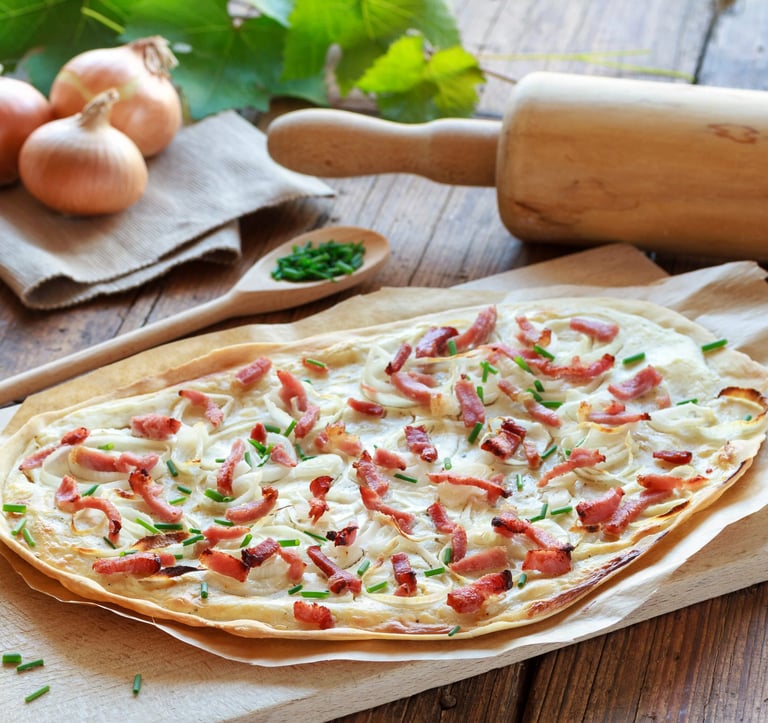
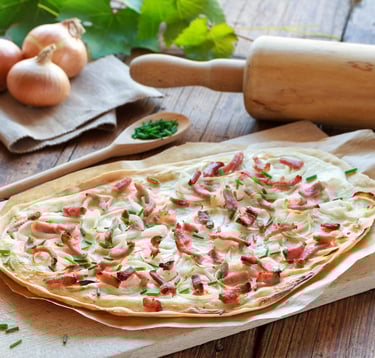
Flammkuchen (Alsatian-style flatbread) refers to a thin, crisp baked dish originating from the region historically known as Alsace, which today spans areas of France and southwestern Germany. It is traditionally prepared with a very thin dough topped with cream, onions, and bacon before being baked at extremely high temperatures. The dish developed from practical baking routines in rural communities, where bakers tested oven heat with small pieces of dough before baking bread. These early tests evolved into a recognizable regional specialty that remains widely consumed in both domestic and commercial settings.
The dough forms the foundation of Flammkuchen. It is typically made without yeast, producing a thin, elastic sheet that becomes crisp when placed in a hot oven. Bakers traditionally use a Holzofen (wood-fired oven), which reaches high temperatures and imparts a distinct smoky flavor. The thinness of the dough distinguishes the dish from pizza and other flatbreads, reinforcing its identity within regional culinary traditions. The simplicity of the dough also highlights the resourcefulness of rural households that relied on minimal ingredients for everyday cooking.
The topping known as Schmand (sour cream mixture) provides the characteristic creamy base. It is often blended with crème fraîche to create a balanced texture. Onions sliced into thin rings and bacon strips called Speck (cured bacon) complete the classic version. These ingredients reflect local agricultural production, particularly dairy farming and pig husbandry, which shaped regional food availability. Variants exist across the Upper Rhine region, but the essential combination of cream, onions, and bacon defines the traditional preparation.
Regional adaptations demonstrate the dish’s versatility. In some areas, sweet versions appear, using apples, cinnamon, and sugar. Modern restaurants introduce toppings such as mushrooms, goat cheese, or seasonal vegetables. Despite these innovations, the original version known as Elsässer Flammkuchen (Alsatian-style flammkuchen) remains the most recognized. The dish often appears in wine taverns and village festivals, where it pairs with local white wines. This association reflects broader gastronomic traditions of the region and reinforces cultural links across the Rhine valley.
Cultural significance also extends to communal eating practices. Flammkuchen is frequently served in large portions meant for sharing, contributing to its role in social gatherings. Its quick baking time supports informal dining, especially in settings where ovens remain central to community events. In rural areas, traditional baking days called Backtag (baking day) often featured Flammkuchen alongside bread production.


FREIKÖRPERKULTUR
Freikörperkultur (free body culture) refers to the German naturist movement emphasizing non-sexual social nudity in designated public or semi-public spaces. The practice emerged in the late nineteenth and early twentieth centuries as part of broader reforms focused on health, physical exercise, and natural living. It reflects ideas about body acceptance, equality, and a return to nature. In Germany, FKK developed distinct cultural legitimacy, supported by associations, beach areas, and wellness facilities that normalize non-sexual nudity as a form of recreation and community participation.
Health reform movements played a significant role in shaping the early development of Freikörperkultur. Advocates promoted Lichtluftbad (light-and-air bath), a practice emphasizing sun exposure and fresh air as beneficial to physical well-being. Organizations established dedicated spaces where nudity was permitted under regulated conditions. These associations, known as Naturistenverein (naturist clubs), provided structured environments for families and individuals to participate in outdoor activities such as swimming, sunbathing, and sports. Their growth reflects cultural interest in natural lifestyles and physical health.
FKK also developed within specific social and political contexts. During the Weimar Republic, the movement expanded as part of broader cultural experimentation and social liberalization. Later, in the German Democratic Republic, naturism became a widely accepted recreational activity, particularly along the Baltic Sea coastline. In that context, FKK was associated with Gleichberechtigung (equality), as it provided a space where social differences appeared minimized through shared participation. Its popularity in East Germany contributed to a unique regional identity that continues to influence contemporary practices.
Regulations govern where nudity is permitted. Municipal guidelines and park rules define FKK-Bereich (designated nudist area), ensuring that naturist zones coexist with textile (clothed) areas without conflict. Many lakes, beaches, and recreation areas maintain clearly marked sections, providing predictability and comfort for participants and non-participants. Saunas, wellness centers, and thermal baths frequently follow the Saunakultur (sauna culture) tradition, where nudity is mandatory rather than optional, emphasizing hygiene and equality rather than display or exhibition.
FKK emphasizes specific social norms regarding behavior. Participants adhere to principles of respect, discretion, and non-sexual conduct. Photography is typically restricted, and interactions follow expectations common in other recreational settings. These norms support the understanding of nude recreation as an ordinary communal activity rather than a form of provocation.
Today many traditional naturist clubs remain active, and FKK beaches persist along the Baltic and North Sea coasts. At the same time, shifts in urban lifestyles and increased international tourism introduce new perspectives on nudity and public space.

FRÜHSCHOPPEN
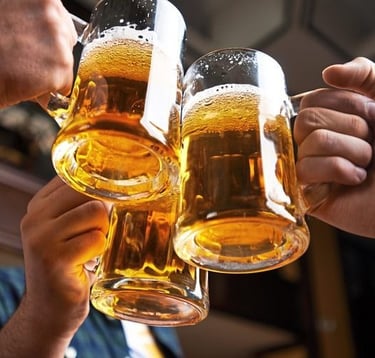
Frühschoppen (morning social drinking) refers to a traditional gathering held late in the morning, typically on Sundays or holidays, in many German-speaking regions. The custom involves meeting in taverns, beer halls, or community venues to drink beer, eat simple foods, and engage in social conversation. Frühschoppen has deep historical roots tied to rural life, religious practice, and community cohesion. Although participation varies by region, it continues to represent an important form of social interaction, particularly in Bavaria and Austria.
The cultural context of Frühschoppen is shaped by communal routines. Historically, it followed church attendance, allowing villagers and families to transition from religious observance to social gathering. This rhythm contributed to the association between Frühschoppen and Geselligkeit (social conviviality), emphasizing relaxed conversation and shared leisure. Music often plays a role, especially traditional brass ensembles known as Blaskapelle (brass band), which perform at festivals or special events. Their presence reinforces the celebratory atmosphere typical of these gatherings.
Beverage traditions form a central component. Participants commonly drink local beer, especially Weißbier (wheat beer), which has long been associated with morning consumption in Bavaria. The choice reflects both regional brewing practices and historical norms regarding alcohol and daily life. Frühschoppen may also include non-alcoholic options, but beer remains the defining element of the custom. Food accompanies the drinks, typically regional specialties such as sausages, pretzels, or cold cuts. These foods align with the concept of Brotzeit (snack meal), a light, savory meal suited to social occasions.
Regional differences influence how Frühschoppen is practiced. In Franconia and Upper Bavaria, gatherings often take place in beer gardens or rural inns, whereas in Austria, they may be part of local festivals or market days. In some areas, the event is linked to agricultural life, reflecting the social bonds within farming communities. In others, it has adapted to urban environments, appearing in city beer halls. These variations illustrate how local culture shapes the specific form of the tradition while maintaining its core elements.
The social function of Frühschoppen extends beyond leisure. It provides a venue for community discussion, informal networking, and local decision-making. Historically, such gatherings contributed to Dorfleben (village life), acting as spaces where news circulated and communal relationships strengthened. Even today, many associations, including sports clubs and volunteer fire brigades, use Frühschoppen events to raise funds or celebrate milestones.
GASTARBEITER
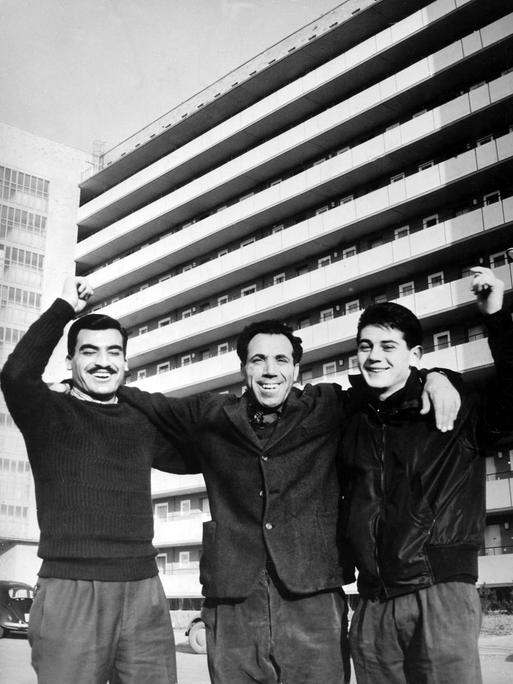
Gastarbeiter (guest worker) refers to the foreign workers recruited to West Germany during the post-war economic expansion of the 1950s and 1960s. The term originally described temporary labor migrants invited through bilateral agreements to fill shortages in industrial sectors, particularly manufacturing, mining, and construction. Although the intention was short-term employment, many Gastarbeiter settled permanently, shaping the demographic, cultural, and economic landscape of modern Germany. The program reflects both the labor demands of the Wirtschaftswunder (economic miracle) and the broader dynamics of migration in post-war Europe.
Recruitment began with Italy in 1955 and later expanded to countries such as Spain, Greece, Turkey, and Yugoslavia. These agreements aimed to regulate the flow of workers while providing structured employment opportunities abroad. Under the system of Rotation (rotation principle), workers were expected to stay for limited periods before returning home, allowing German employers to maintain a flexible workforce. Over time, however, the rotation principle proved impractical, as trained workers gained skills that industries preferred to retain. This contributed to long-term settlement and family reunification.
Working conditions varied by sector but typically involved demanding physical labor. Gastarbeiter often took positions classified as ungelernte Tätigkeiten (unskilled occupations), though many possessed valuable experience or training. They frequently lived in company-owned dormitories called Wohnheim (worker housing), designed to accommodate temporary workers. Despite the challenges, these jobs provided higher wages compared to earnings in countries of origin, contributing to remittances that supported families abroad. At the same time, workplace experiences shaped patterns of social integration within German society.
Legal frameworks influenced the status and rights of guest workers. Initially, residence permits were tightly linked to employment contracts, limiting mobility between sectors and employers. As settlement increased, policies gradually shifted toward family reunification and social inclusion. Education systems adapted to support children of migrant families through initiatives such as Förderunterricht (remedial instruction) and bilingual programs. These developments reflect the transition from temporary labor migration to the establishment of long-term migrant communities.
Cultural impact forms a significant part of the Gastarbeiter legacy. Migrants introduced new foods, music, and cultural practices that blended with existing local traditions. Restaurants, shops, and community associations founded by former guest workers contributed to urban cultural diversity. The influence of Turkish migrants, in particular, became prominent, with traditions such as Teestube (tea house) and regional cuisines becoming integrated into everyday German culture.
JODELN
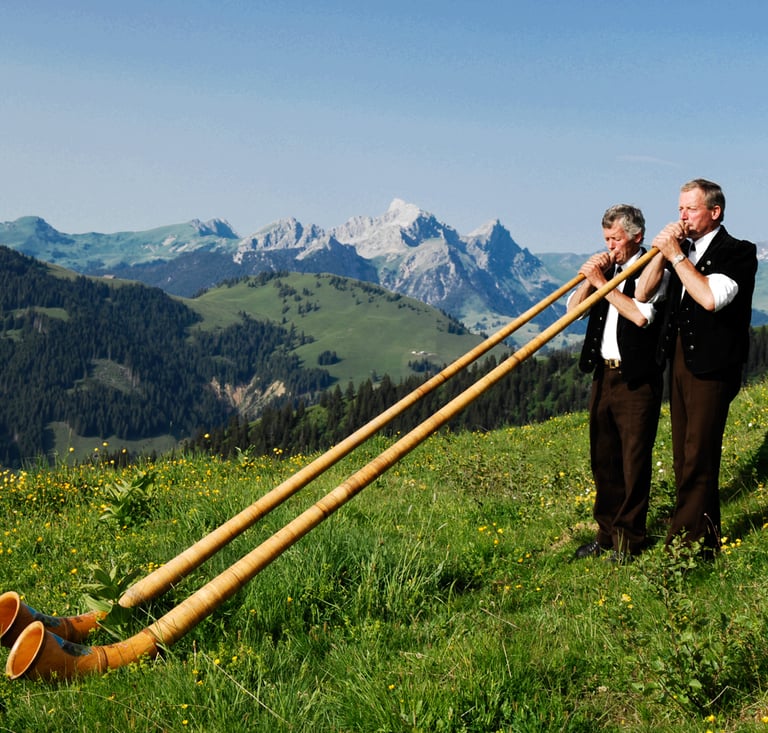
Jodeln (yodeling) refers to the vocal technique characterized by rapid alternation between chest voice and head voice, producing distinct breaks in pitch. It is traditionally associated with alpine regions of Germany, Austria, and Switzerland, where it developed as both a practical form of long-distance communication and a cultural expression. The technique involves controlled shifts called Registerwechsel (register changes), which allow singers to project sound across valleys and mountainous terrain. Jodeln remains an important component of alpine musical identity and continues to be practiced in both traditional and modern contexts.
Historically, Jodeln served functional purposes. Shepherds and herders used vocal calls known as Lockrufe (herding calls) to communicate with animals or signal across long distances. These calls evolved into recognizable melodic patterns, shaping early forms of yodeling. Over time, the technique became integrated into folk traditions, especially in rural alpine communities where communication across steep landscapes required strong, far-carrying sound. This practical origin distinguishes Jodeln from purely musical vocal styles.
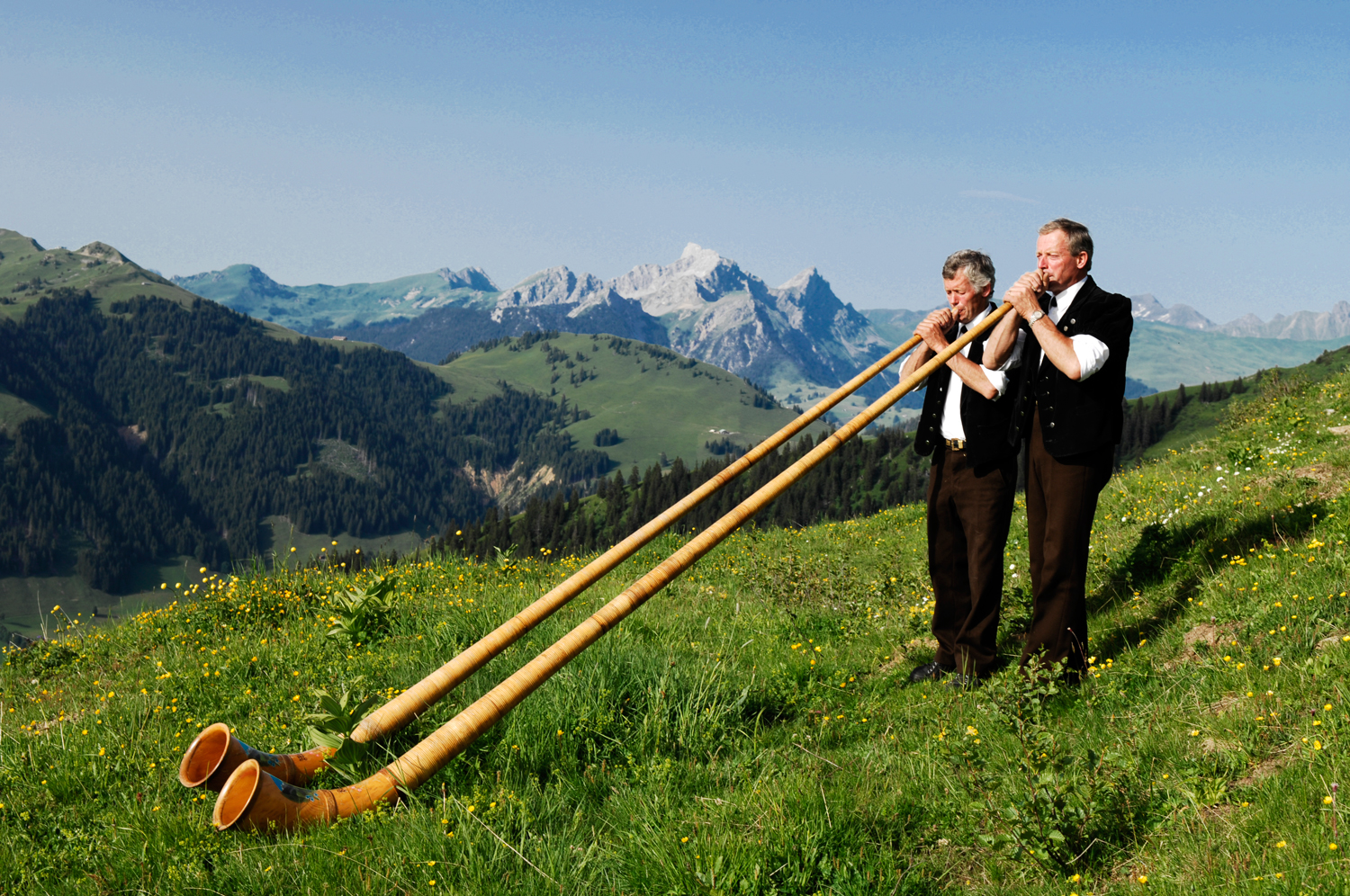
Musically, the technique forms part of Volksmusik (folk music), where it appears in ensemble pieces, dance tunes, and solo performances. Traditional groups often include instruments such as the accordion, zither, and alpine horn. The alpine horn, referred to as Alphorn (alpine horn), complements yodeling because of its ability to project tones over long distances and its historical association with pastoral life. Yodeling styles vary according to region, with some emphasizing melodic ornamentation and others focusing on rhythmic patterns.
Regional diversity plays a significant role in shaping Jodeln. In Bavaria, styles known as Jodler (yodel song) are integrated into local festivities and often performed in taverns, festivals, and alpine gatherings. In Austria’s Salzkammergut region, more elaborate polyphonic forms such as Mehrstimmiger Jodler (multi-voiced yodel) have developed, featuring harmonized calls by multiple singers. Swiss traditions place emphasis on precise tonal purity and slower, more resonant melodies. These variations illustrate how geography and community practices influence performance techniques.
Cultural significance extends to social life and identity. Jodeln is commonly performed at regional events such as Almabtrieb (ceremonial cattle drive), harvest festivals, and folk gatherings. Performances reinforce a shared sense of heritage and emphasize the continuity of alpine traditions across generations. The practice also appears in competitions and cultural clubs, many organized under associations dedicated to preserving regional music. These institutions support instruction, research, and performance standards.

GUMMIBÄRCHEN
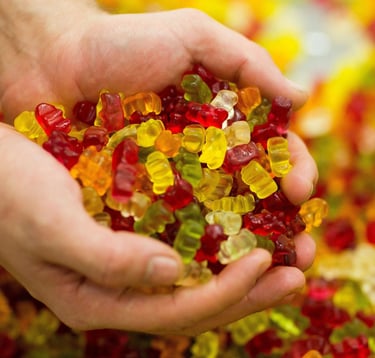
Gummibärchen (gummy bears) refers to small, fruit-flavored gelatin candies that originated in Germany and became one of the most internationally recognized confectionery products. First introduced in the 1920s, these candies were created by Hans Riegel, founder of the company Haribo. Their distinctive bear shape and chewy texture quickly gained popularity and remain central to German sweets culture. Gummibärchen reflect developments in food manufacturing, marketing, and consumer preferences across the twentieth and twenty-first centuries.
The composition of Gummibärchen relies on a combination of gelatin, sugar, glucose syrup, and flavorings. Gelatin provides the elastic texture characteristic of gummy candies, while natural or artificial colorants produce the vibrant appearance associated with each flavor. Modern manufacturing facilities use Gelierverfahren (gelatin-setting process), where heated mixtures are poured into bear-shaped molds made of starch. After cooling and drying, the candies are coated with a thin layer of beeswax or carnauba wax to create a smooth, shiny surface. These production techniques reflect the evolution of industrial confectionery methods in Germany.
Flavor diversity contributes to the product’s enduring appeal. Traditional assortments include lemon, orange, raspberry, strawberry, and pineapple. Over time, expanded lines have introduced new flavors and variations, including sour, sugar-free, and juice-based versions. These developments respond to changing consumer demands and reflect innovation in Lebensmitteltechnologie (food technology). Seasonal editions, regional specialities, and limited-release products further illustrate the adaptability of Gummibärchen within contemporary markets.
Culturally, Gummibärchen hold a strong position in German daily life. They are commonly sold in supermarkets, kiosks, and bakeries, and often appear in school lunchboxes, office snacks, and household treat jars. The association with childhood is particularly strong, supported by advertising campaigns and the presence of the Goldbär (golden bear) mascot, which represents the brand’s identity. The candy’s widespread appeal underscores its integration into German consumer culture and its nostalgic value for many generations.
International expansion has also shaped the product’s significance. Haribo factories now operate across Europe, North America, and Asia, introducing Gummibärchen to global markets. The brand’s slogan Haribo macht Kinder froh (Haribo makes children happy) has become widely recognized and adapted into various languages. This global reach highlights Germany’s influence on modern confectionery trends and demonstrates how a locally developed product can achieve worldwide cultural presence.
Debates surrounding health and nutrition occasionally engage with gummy candies. Discussions focus on sugar content, artificial additives, and the role of sweets in children’s diets. In response, manufacturers have introduced versions with reduced sugar, natural colorings, or alternative gelling agents.

KARNEVAL
Karneval (carnival season before Lent) refers to the festive period leading up to Lent in many German-speaking regions, especially in the Rhineland. It is characterized by costumes, parades, satire, music, and public celebrations. The tradition has medieval roots and combines pre-Christian seasonal rites with Christian liturgical calendars. Today, Karneval plays a major role in regional identity, especially in Cologne, Düsseldorf, and Mainz, where it forms a distinct cultural institution. The season reflects social inversion, humor, and collective participation.
The official season begins on 11 November at 11:11 a.m., marked by the proclamation of Sessionseröffnung (opening of the carnival season), although major festivities occur in the week before Ash Wednesday. Organized groups known as Karnevalsgesellschaft (carnival societies) coordinate events, plan parades, and maintain traditions. These associations have roots in nineteenth-century civic organizations that formalized carnival customs and integrated satire, music, and symbolic figures into public celebrations.
Costuming plays a central role. Participants wear Kostüm (carnival costume), ranging from humorous outfits to elaborate handcrafted designs. Many costumes feature regional motifs, political caricatures, or traditional characters. A key figure is the Prinz Karneval (carnival prince), who symbolizes festive authority during the season. In the Rhineland, the formal trio known as the Dreigestirn (carnival triumvirate), consisting of the Prince, the Peasant, and the Maiden, presides over official celebrations and embodies civic pride.
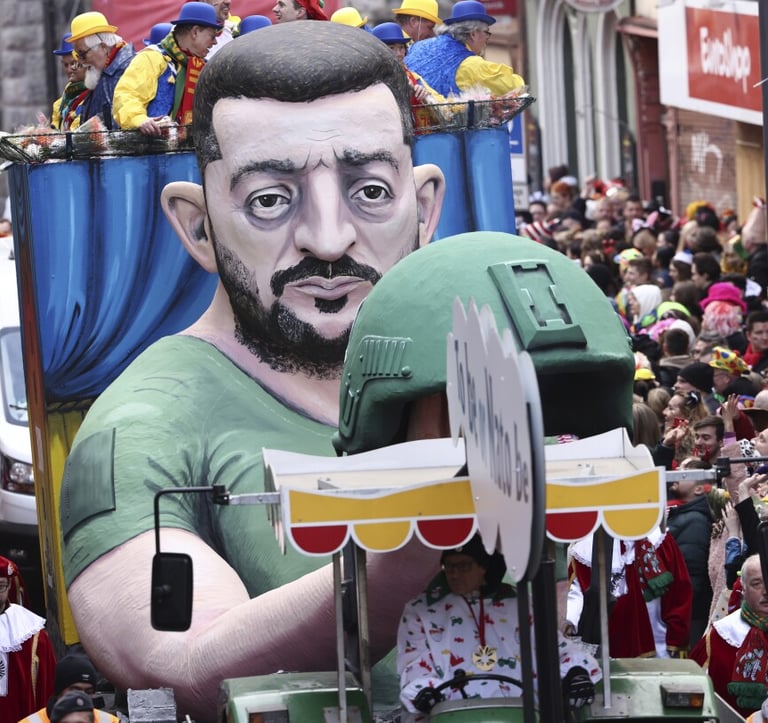
Parades, particularly the large Rosenmontag procession, form the highlight of Karneval. Floats known as Festwagen (parade floats) carry satirical sculptures that comment on politics, society, and international events. Participants distribute sweets called Kamelle (carnival candies) to spectators along the route. Brass bands, dance groups, and walking formations contribute to the musical and visual spectacle. These elements reflect the role of Karneval as a medium for satire, civic engagement, and collective entertainment.
Music strengthens the festive atmosphere. Songs known as Karnevalsschlager (carnival hits) are composed specifically for the season and are performed in pubs, halls, and open-air events. Their themes emphasize humor, togetherness, and regional pride. Live performances in decorated venues called Sitzungssaal (carnival hall) combine music with speeches, sketches, and dance. The speeches, collectively referred to as Büttenrede (comic carnival speech), rely heavily on wordplay and social commentary.
Daily life in carnival regions adapts to the celebrations. Schools, offices, and businesses often close or operate on reduced schedules during peak days. Street festivals encourage widespread participation, with locals and tourists filling city centers to watch parades and attend public events. The custom fosters Gemeinschaftsgefühl (sense of community), reinforcing connections that extend beyond the festivities.
KATZENJAMMER
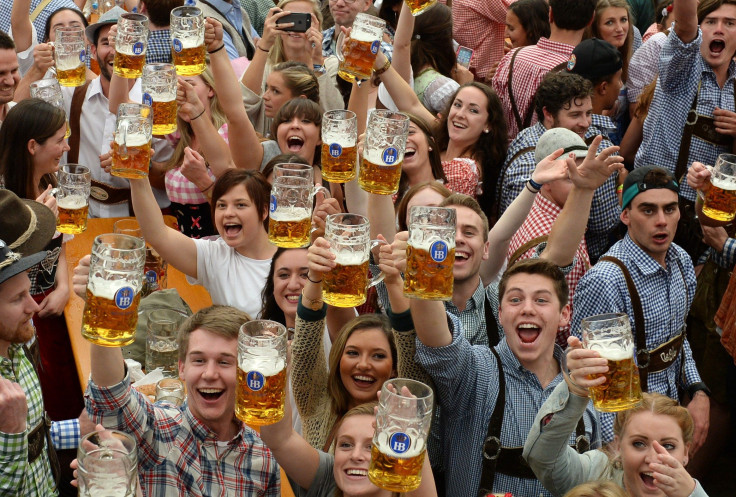
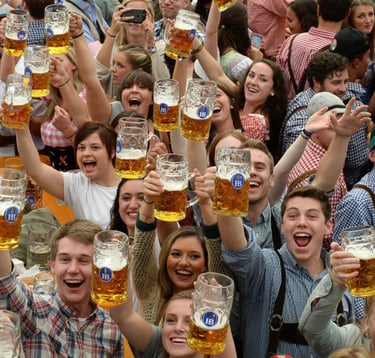
Katzenjammer (severe hangover) refers to the unpleasant physical and mental condition experienced after excessive alcohol consumption. The term is widespread in German-speaking regions and has both colloquial and historical significance. Although used humorously in everyday conversation, Katzenjammer carries older associations with emotional distress and discord. Its modern meaning reflects cultural attitudes toward drinking, social behavior, and the physical consequences of alcohol consumption. The concept appears in medical, linguistic, and cultural discussions.
Etymologically, Katzenjammer derives from the combination of “cat” and “lament,” originally describing discordant or wailing sounds. This meaning extended metaphorically to describe emotional turmoil, especially in nineteenth-century literature. Over time, it became associated with the symptoms of a hangover, reflecting public awareness of alcohol’s effects on the body. The transition illustrates a linguistic shift within Umgangssprache (colloquial language), where expressive imagery became linked to everyday experiences.
Physiologically, Katzenjammer relates to dehydration, metabolic processes, and the effects of byproducts from alcohol breakdown. These factors contribute to headaches, nausea, fatigue, and cognitive impairment. Scientific terminology classifies such symptoms under Alkoholkater (alcohol hangover), a term used in medical and health literature. Research on the causes of hangovers highlights the role of congeners, sleep disruption, and inflammatory responses. These findings demonstrate the intersection of cultural terminology with medical understanding.
Cultural traditions in German-speaking regions influence the usage of the term. Social drinking remains common at festivals, family gatherings, and public celebrations, particularly events like Oktoberfest and local Volksfest (folk festival) gatherings. The consumption of beer, wine, and spirits in these contexts contributes to shared experiences often followed by Katzenjammer. Humor surrounding the term helps normalize discussions about alcohol’s aftereffects, reflecting cultural tolerance for moderate drinking while acknowledging its consequences.
Remedies for Katzenjammer vary across regions. Traditional household practices include drinking strong coffee known as Magenkaffee (stomach-settling coffee), consuming hearty foods, or replenishing fluids with mineral water referred to as Mineralwasser (mineral water). Some customs rely on cold meals or pickled foods thought to restore electrolyte balance. These remedies, while not scientifically confirmed, remain embedded in cultural habits and illustrate the social management of hangover symptoms.
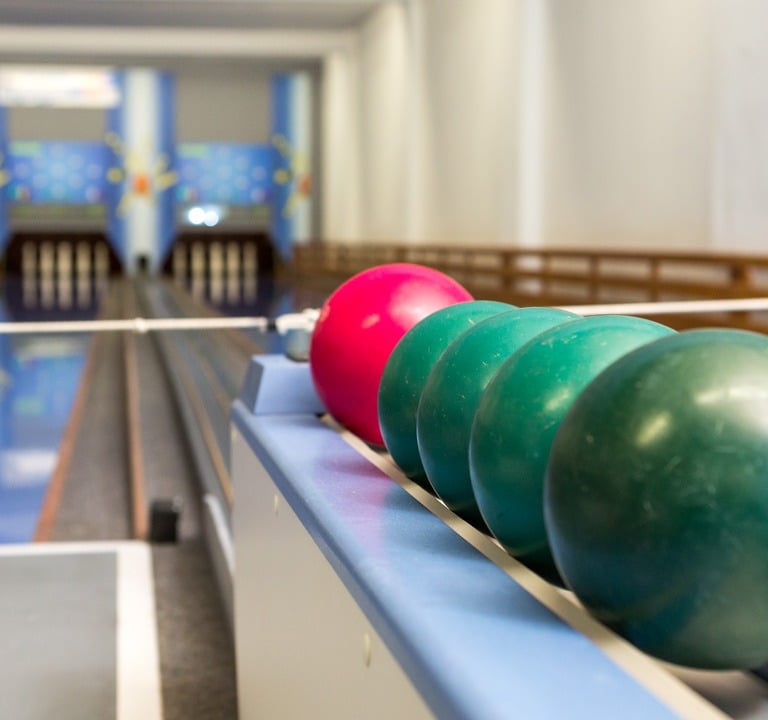
KEGELBAHN
Kegelbahn (bowling alley for nine-pin bowling) refers to the traditional facility used for the sport of Kegeln, a game historically widespread in Germany, Austria, and parts of Central Europe. Unlike modern ten-pin bowling, Kegeln uses nine pins arranged in a diamond shape and employs a smaller, lighter ball. The Kegelbahn serves as both a recreational venue and a social gathering place, reflecting long-standing community traditions and club culture. Its development illustrates the evolution of leisure activities in German-speaking regions.
The structure of a Kegelbahn differs from its ten-pin counterpart. The lane, known as the Kegelbahnbahn (kegel lane), is narrower and typically longer, incorporating distinct wooden or synthetic surfaces shaped to influence ball movement. At the end of the lane stands the Kegelbild (pin formation), arranged in a specific pattern central to scoring. Balls called Kugeln (kegling balls) lack finger holes and require controlled rolling techniques. These technical differences highlight the unique mechanics of the sport and its separate identity from international bowling.
Kegeln has deep historical roots. References to similar games appear in medieval religious and secular texts, illustrating its role as both a pastime and a symbolic activity. During the nineteenth and twentieth centuries, Kegelbahnen became common features in inns, community halls, and sports clubs. Many were operated by Kegelverein (kegling clubs), which organized regular matches, tournaments, and social events. These clubs played an important role in local social life, providing structured leisure opportunities for workers and families.
Social interaction is central to the tradition. Gatherings often involve informal competition, meals, and beverages, contributing to an atmosphere of Geselligkeit (sociable conviviality). Participating in club evenings known as Kegelabend (kegling evening) reinforces community bonds and intergenerational participation. This social dimension distinguishes Kegeln from more commercialized or spectator-oriented sports and demonstrates the importance of shared recreational practices in community culture.
Competitive Kegeln also developed formal structures. Standardized rules governed scoring systems, lane construction, and tournament organization. Regional and national leagues formed under associations regulating amateur and professional play. The discipline of Sportkegeln (sport kegling) established clear athletic standards, creating opportunities for competitive achievement. These organizations reflect broader trends in the professionalization of recreational activities during the twentieth century.
Technological and cultural changes have influenced the presence of Kegelbahnen in contemporary life. Many traditional lanes closed due to modernization, shifting leisure habits, and competition from ten-pin bowling centers. However, numerous clubs and rural inns maintain active Kegelbahnen, preserving local traditions. Renovated lanes using modern materials and automated pinsetters known as Automatenaufsteller (automatic pinsetter) help keep the sport accessible. These adaptations illustrate how traditional games can evolve while maintaining core characteristics.


KRAMPUS
Krampus (Christmas season folkloric creature) refers to a horned, fearsome figure in Alpine folklore associated with the early December festivities surrounding St. Nicholas. While St. Nicholas rewards well-behaved children, Krampus serves as his dark counterpart, punishing misbehavior. The tradition is strongest in Austria, Bavaria, South Tyrol, and other Alpine regions, where the figure appears in parades, village events, and community rituals. Krampus embodies themes of moral instruction, seasonal symbolism, and the tension between benevolence and discipline within winter customs.
The appearance of Krampus is distinctive and modeled on pre-Christian imagery. Costumes typically include fur-covered bodies, horned masks known as Larve (carved wooden mask), and cowbells referred to as Glocken (bells) attached to belts. These bells create a loud, rhythmic sound as participants move through streets, heightening the dramatic atmosphere of Krampus processions. The use of switches called Rute (bundle of birch twigs) symbolizes punishment and moral correction, linking the figure to long-standing disciplinary motifs.
Krampus traditionally accompanies St. Nicholas during visits known as Nikolausumzug (St. Nicholas procession), held on or around 5 and 6 December. In these events, St. Nicholas delivers small gifts, while Krampus creates tension through sudden movements, growls, and theatrical gestures. This duality reflects the cultural emphasis on moral behavior and the consequences of mischief. In some regions, house visits by St. Nicholas and Krampus reinforce personal interaction and community cohesion.
A major contemporary expression of the tradition is the Krampuslauf (Krampus run), a public parade where groups of costumed Krampuses move through streets, accompanied by fire effects, torches, and drumming. These events attract large audiences and often feature organized groups known as Pass (Krampus troupe), which create highly detailed costumes and coordinate elaborate performances. The craftsmanship involved in mask-carving and costume-making is a significant aspect of the tradition, handed down through families and specialized artisans.
Historical interpretations link Krampus to pre-Christian winter rituals that symbolized the expulsion of evil spirits and the return of light. Over centuries, these themes merged with Christian customs, forming a hybrid tradition that remains central to Alpine cultural identity. The figure experienced periods of suppression due to concerns about fear-inducing practices, but it re-emerged strongly in the twentieth century as communities revived regional folklore. Today, Krampus is recognized as part of intangible cultural heritage in several Alpine regions.
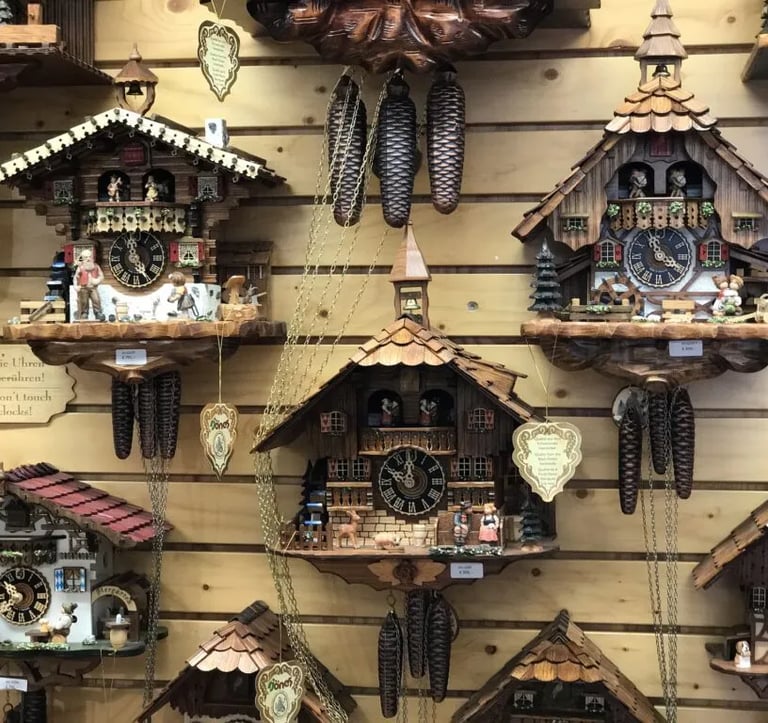
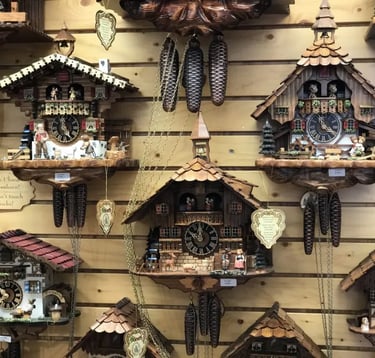
KUCKUCKSUHR
Kuckucksuhr (cuckoo clock) refers to the traditional mechanical clock that announces the hour with the call of a cuckoo bird, a design strongly associated with the Black Forest region of southwestern Germany. The clock is both a functional timekeeping device and a cultural artifact, reflecting regional craftsmanship, woodworking traditions, and technological innovation. Its development illustrates the evolution of rural cottage industries into globally recognized symbols of German artisanal heritage.
The origins of the Kuckucksuhr trace back to the eighteenth century, when farmers in the Black Forest began producing wooden clock movements during winter months. These early clocks relied on the Spindelhemmung (verge escapement), a simple mechanism that regulated the movement of gears. Wooden gears, hand-carved housings, and painted decorations characterized the first generation of Black Forest clocks. Over time, specialized workshops emerged, laying the foundation for a thriving regional industry that emphasized precision and artistic detail.
A defining feature of the Kuckucksuhr is the cuckoo call mechanism. This sound is produced by two small bellows, or Pfeifenbälge (clock bellows), which push air through whistle pipes tuned to create the two-note cuckoo call. A carved wooden bird known as the Kuckucksvogel (cuckoo figure) emerges from a small door as the call is sounded. This mechanism requires precise synchronization with the clock’s internal movement, demonstrating the technical sophistication of Black Forest clockmakers.
The clock’s exterior is traditionally decorated with hand-carved motifs. Early styles drew on folk art and rural life, while later versions adopted the ornate carved style known as the Schnitztradition (carving tradition), featuring leaves, animals, hunting scenes, and architectural elements. Another popular style is the Chalet-Uhr (chalet-style clock), inspired by alpine houses and often including animated figures performing actions such as chopping wood or drinking beer. These carvings highlight the artistic skill that complements the mechanical design.
By the nineteenth century, Kuckucksuhren became internationally known through trade fairs and export networks. The rise of railway connections and postal shipping expanded markets across Europe and beyond. Standardization efforts introduced regulated quality standards, supported by the Uhrmacherhandwerk (clockmaker’s craft), which provided training and certification for artisans.
Contemporary Kuckucksuhren range from traditional mechanical models powered by Gewichte (weights) to modern quartz versions minimal maintenance. While mass production techniques exist, many workshops still rely on hand-carving and manual assembly, preserving artisanal heritage. Tourism plays a significant role, with visitors drawn to Black Forest towns known for clockmaking, where shops display intricate designs and demonstrations of mechanical craftsmanship.
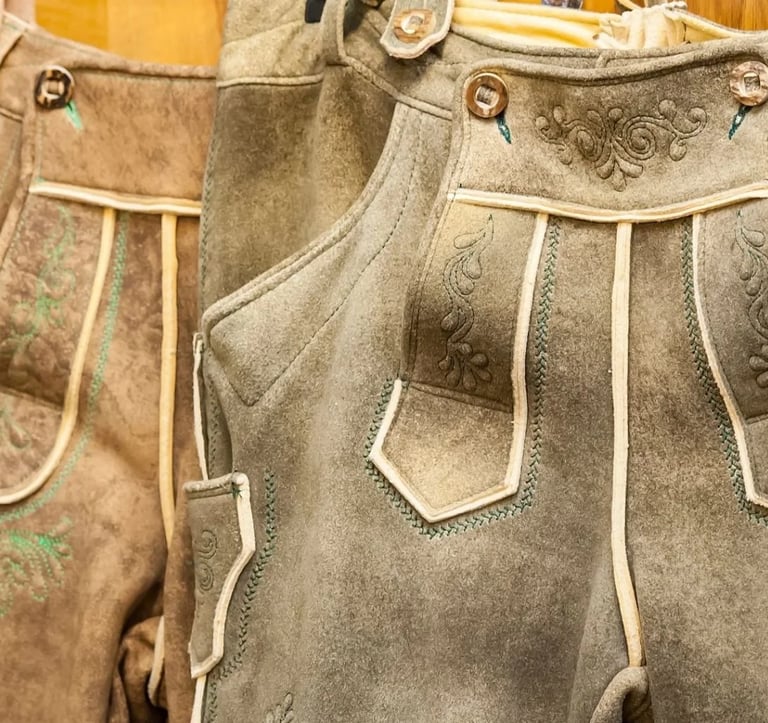
LEDERHOSE
Lederhose (leather trousers) refers to the traditional knee-length or short leather breeches worn in Alpine regions of Germany and Austria, particularly Bavaria and Tyrol. Originally designed as durable work clothing, the garment evolved into a symbol of regional identity and cultural pride. Made from tanned deer, goat, or cow leather, the Lederhose embodies craftsmanship, rural heritage, and the continuation of Alpine traditions in modern cultural life.
The durability of leather made the Lederhose well suited to agricultural labor, forestry, and mountain work. Its structure includes reinforced seams and a front flap known as the Hosenlatz (front trouser flap), which distinguishes it from modern trousers. Decorative embroidery called Stickerei (embroidery) often appears along the legs and waistband, featuring motifs inspired by nature, hunting, or regional patterns. These stylistic elements reflect both local aesthetics and the skill of artisans specializing in traditional garment-making.
A key accessory to the Lederhose is the Träger (suspenders), which help support the weight of the leather and often feature ornate stitching or symbolic designs. The suspenders connect at the chest through a decorative piece called the Steg (connecting front panel), sometimes embossed with local emblems. Footwear traditionally includes Haferlschuhe (Alpine lace-up shoes), designed for rugged terrain. Together, these components form a complete outfit associated with Alpine masculinity and rustic craftsmanship.
Regional variations of the Lederhose highlight the cultural diversity within the Alpine region. In Upper Bavaria, styles tend to be shorter and more heavily embroidered, whereas in Tyrol, longer versions known as Kniebundlederhose (knee-length leather trousers) are common. Franconian designs incorporate distinct color patterns and stitching techniques. These differences reflect regional identity, historical influences, and local craftsmanship, making the Lederhose a marker of cultural specificity rather than a uniform costume.
The garment plays a significant role in festive occasions and cultural events. Lederhosen are commonly worn during Volksfest (folk festival) celebrations, including Oktoberfest, where they symbolize Bavarian tradition. Music groups performing folk music, particularly brass ensembles, often adopt Lederhosen as part of their ensemble attire. In rural areas, traditional dance groups and shooting clubs also incorporate the garment into their uniforms, reinforcing continuity with historical customs.
In contemporary society, the Lederhose enjoys renewed popularity. Younger generations wear modern interpretations during festivals and cultural gatherings, blending traditional elements with updated designs or materials. Artisan workshops continue to produce hand-sewn Lederhosen, while commercial versions offer affordable alternatives for tourists and casual wearers.
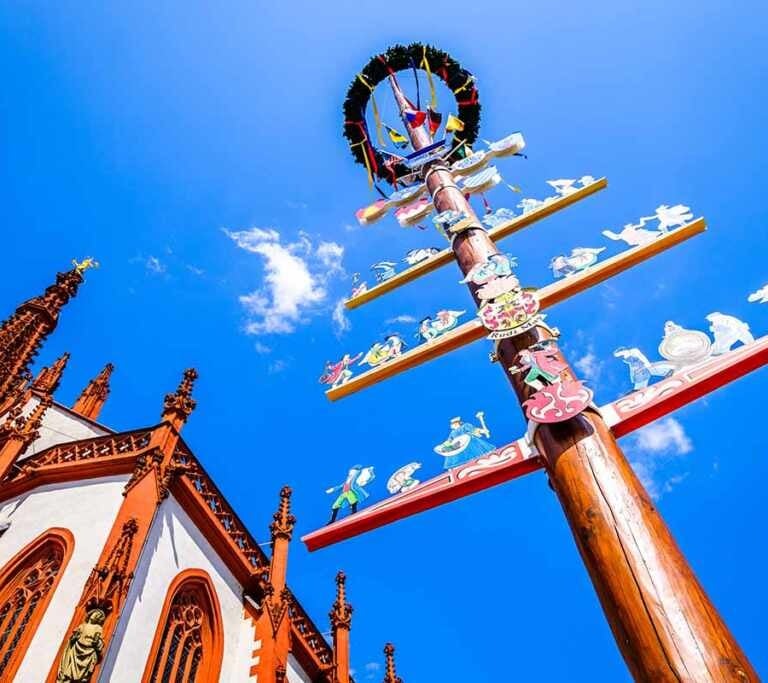
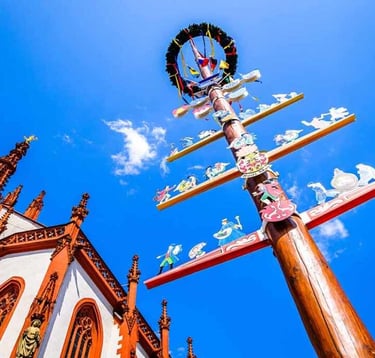
MAIBAUM
Maibaum (Maypole) refers to the tall, decorated pole erected during spring festivities in many German-speaking regions, particularly in Bavaria. The tradition marks the arrival of spring and symbolizes community identity, craftsmanship, and local pride. Maibaum celebrations include ceremonial installation, public gatherings, music, and folk dancing. The custom reflects long-standing seasonal rituals rooted in pre-Christian practices and later incorporated into communal life and regional culture.
The construction of a Maibaum requires careful preparation. Trees selected for the pole are typically straight, tall firs or spruces. After felling, the bark is removed in a process known as Entrinden (debarking), and the trunk is smoothed to create a clean surface. Local artisans or volunteers then paint the pole, often using the regional colors associated with the Gemeinde (municipality). The upper section of the pole may feature a wreath called a Kranz (wreath), symbolizing growth and vitality. Decorative elements include figures representing local trades or guilds, known as Zunftzeichen (guild symbols), illustrating the town’s economic and cultural history.
The erection of the pole is a central event. In many villages, this is performed manually using wooden poles called Schwaibeln (lifting poles), while others use mechanical cranes. The ceremony is accompanied by folk music, dancing, and public speeches. Local brass bands, or Blaskapelle (brass ensemble), perform traditional pieces, enhancing the festive atmosphere. Once raised, the Maibaum remains standing throughout the year or until the next cycle of festivities.
A notable aspect of the tradition is the playful custom of Maibaum stealing. Rival communities or youth groups attempt to secretly remove the pole before it is installed, a practice known as Maibaumstehlen (Maypole stealing). If successful, the pole is returned only after negotiations and the provision of food or beer as symbolic ransom. This custom reinforces friendly competition and intercommunity relationships, adding a humorous dimension to the ritual.
Regional variations in Maibaum traditions exist. In Upper Bavaria, large poles adorned with extensive carvings and figurines are common, whereas in Swabia and Franconia, decorations may be simpler. In some areas, smaller Maibäume are placed in front of homes as tokens of affection, a tradition especially connected to courtship. These differences illustrate how the custom adapts to local culture while maintaining its core symbolic meaning.


MASSKRUG
Maßkrug (one-liter beer mug) refers to the large glass or stoneware vessel traditionally used to serve beer in Bavaria, particularly during festivals such as Oktoberfest. The term “Maß” denotes a standardized one-liter measure, while “Krug” refers to the mug itself. The Maßkrug has become an iconic symbol of Bavarian beer culture, combining functionality with regional identity. Its design, weight, and standardized volume play important roles in brewing, serving practices, and festive traditions.
The construction of the Maßkrug has evolved over time. Early versions were made from stoneware known as Steinkrug (stoneware mug), valued for durability and insulation. By the twentieth century, glass Maßkrüge became standard, allowing visibility of the beer’s color and carbonation. Modern versions are produced from thick, molded glass with a textured surface called Noppenstruktur (nubbled surface pattern), which improves grip and enhances visual appeal. The weight of a filled mug—often exceeding two kilograms—contributes to the physicality and ritual of beer drinking in Bavarian settings.
The standardized volume of one liter reflects long-standing brewing and hospitality traditions. Beer served in a Maßkrug aligns with the Bavarian measurement system overseen historically by Eichgesetz (calibration law), which ensures accuracy in commercial measuring devices. Officially calibrated mugs bear the Eichstrich (calibration mark), guaranteeing that establishments serve the correct volume. This regulatory practice supports trust in brewing culture and consumer expectations.
Maßkrüge play a central role in Wirtshauskultur (tavern culture). In beer halls and outdoor beer gardens, patrons commonly drink from these large mugs while seated at communal tables. The vessels are associated with conviviality, shared celebration, and traditional hospitality. Servers at Oktoberfest, known as Bedienung (festival server), often carry multiple filled Maßkrüge at once, demonstrating skill and strength. This practice has become part of the visual identity of the festival and contributes to its international recognition.
Decorative versions of the Maßkrug also hold cultural significance. Many mugs feature brewery logos, regional emblems, or commemorative designs celebrating annual festivals. Collectible editions known as Jahrgangskrug (annual edition mug) are produced each year for Oktoberfest, purchased by visitors as souvenirs. These items link personal experience to broader cultural traditions and reflect the merchandising dimension of Bavarian beer culture.
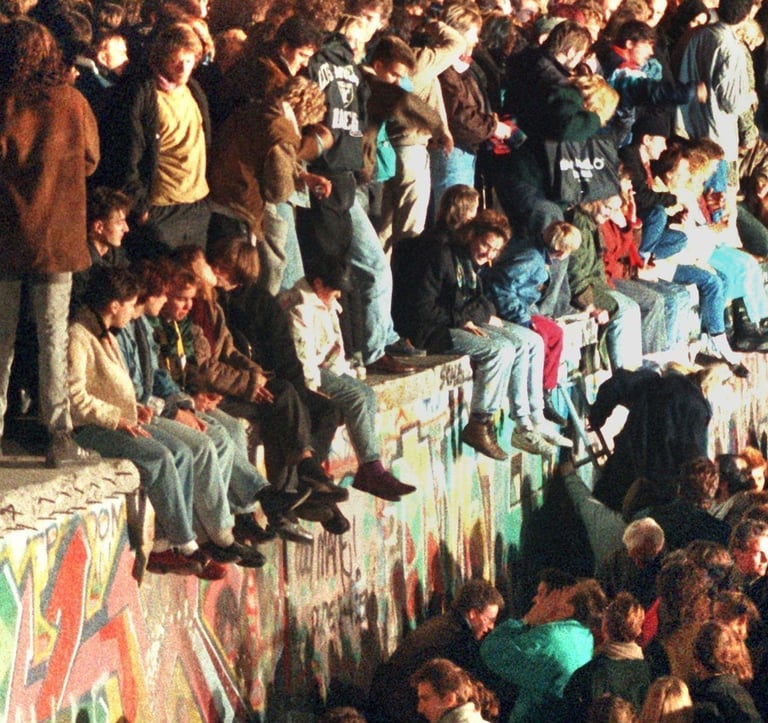
MAUERFALL
Mauerfall (fall of the Berlin Wall) refers to the events of 9 November 1989, when border crossings between East and West Berlin were opened and citizens of the German Democratic Republic (GDR) gained free passage to the Federal Republic of Germany (FRG). The moment marked a decisive turning point in German and European history, symbolizing the collapse of the socialist regime in East Germany and the broader decline of Cold War divisions. The Mauerfall remains a defining historical reference point in political memory, public discourse, and cultural identity.
The Berlin Wall, erected in 1961, had served as a fortified barrier to prevent emigration from the GDR. Its opening in 1989 resulted from political pressure, mass demonstrations, and reform movements. Public protests, known as Montagsdemonstrationen (Monday demonstrations), gathered momentum in cities such as Leipzig, Dresden, and Berlin, where citizens demanded political freedoms, democratic rights, and freedom of travel. These protests reflected growing dissatisfaction with the GDR government and the influence of reforms underway in other Eastern Bloc countries.
Internal political developments accelerated the process. In early November 1989, GDR officials attempted to revise travel regulations. A miscommunicated announcement during a press conference, described by the term Schabowski-Panne (Schabowski blunder), suggested that new travel permissions were effective immediately. This statement prompted thousands of citizens to gather at border crossings, overwhelming guards who ultimately opened the gates. The spontaneous nature of the event contributed to its powerful symbolic significance.
The opening of the border led to immediate and far-reaching consequences. Crowds crossed into West Berlin, where they were greeted with celebration, gifts, and financial support known as Begrüßungsgeld (welcome money), offered by the West German government. Scenes of people standing on the Wall, dismantling sections, and reuniting with family members became iconic images broadcast around the world. These moments emphasized the emotional and political impact of the Mauerfall.
In the months that followed, dismantling of the Wall continued, and political negotiations progressed rapidly. The process known as Wiedervereinigung (reunification) formally concluded on 3 October 1990, when East and West Germany became a single sovereign state. Legal and economic integration required major reforms, including the adoption of the West German constitution, currency, and administrative structures. These changes presented significant challenges but also laid the foundation for a unified German state.
The legacy of the Mauerfall remains central to contemporary German identity. Memorials, museums, and preserved wall segments contribute to public remembrance. Institutions such as the Gedenkstätte Berliner Mauer (Berlin Wall Memorial) document historical events, personal stories, and the political context. Annual commemorations highlight ongoing reflection on democracy, freedom, and historical responsibility.


NAPFKUCHEN
Napfkuchen (Bundt-style cake) refers to a traditional German cake baked in a distinctive ring-shaped mold with a central chimney. The cake has roots in central European baking customs and remains a popular feature of home baking, celebrations, and coffee gatherings. Its characteristic shape results from the Napfform (Bundt mold), which ensures even heat distribution and a decorative exterior. Variations of Napfkuchen appear across German-speaking regions, illustrating regional preferences and culinary heritage.
The basic ingredients of Napfkuchen include flour, eggs, butter, sugar, and leavening agents. The batter may incorporate flavorings such as vanilla, citrus zest, or cocoa. A common variation is Marmorkuchen (marble cake), created by swirling light and dark batters to produce a marbled pattern. Another variant, Russischer Zupfkuchen (Russian-style cheesecake cake), blends cheesecake filling with chocolate dough. These recipes highlight the adaptability of the Napfkuchen format and its role in diverse baking traditions.
The design of the Napfform influences both the baking process and final presentation. Traditional molds were made of cast iron or pottery, while modern versions use aluminum or non-stick materials. The fluted walls and central tube support heat circulation, allowing the cake to bake uniformly. After cooling, the cake is often dusted with powdered sugar known as Puderzucker (powdered sugar), or glazed with icing to enhance flavor and appearance. The visual appeal contributes to its popularity in Kaffeeklatsch (coffee gatherings), where presentation plays a social role.
Napfkuchen holds cultural significance during holidays and family events. It frequently appears at birthdays, church functions, and seasonal celebrations. In some regions, special versions are prepared for Easter or Christmas, incorporating nuts, dried fruits, or spices. The cake is deeply embedded in Hausbäckerei (home baking tradition), reflecting the importance of homemade treats in German domestic culture. Many families pass down recipes through generations, preserving culinary continuity.
Commercial bakeries also produce Napfkuchen, offering standardized versions for everyday consumption. However, homemade varieties remain especially valued due to their personalization and regional authenticity. Baking competitions, school events, and community fairs often feature variations of the cake, demonstrating its versatility and continued relevance in modern baking culture.
The popularity of Napfkuchen has extended beyond German-speaking countries, particularly through the international success of the Bundt pan, which is modeled after the traditional Napfform.
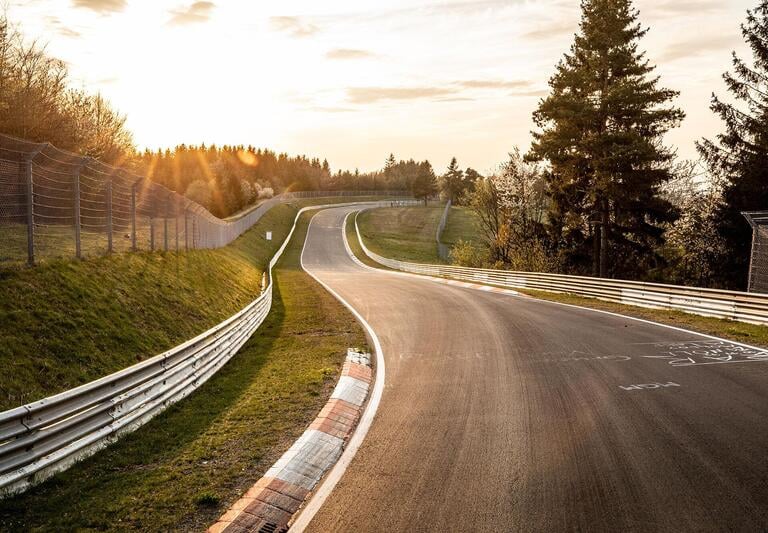
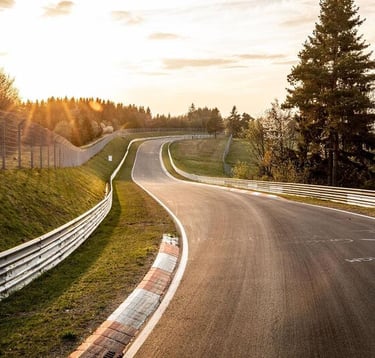
NÜRBURGRING
Nürburgring (Nürburgring racing circuit) refers to the historic motorsport complex located in the Eifel region of western Germany. Known for its challenging layout, variable weather, and demanding driving conditions, the Nürburgring is one of the most renowned racetracks in the world. It includes the legendary Nordschleife, a long and complex loop originally completed in 1927, and the modern Grand Prix circuit built in the 1980s. The site remains central to German motorsport culture, engineering development, and international racing history.
The most famous component is the Nordschleife, often called the Grüne Hölle (Green Hell), a nickname coined by Jackie Stewart. This section extends over twenty kilometers and incorporates sharp elevation changes known as Höhenprofil (elevation profile), blind corners, and high-speed straights. The combination of technical complexity and natural surroundings makes it a demanding environment for both amateur and professional drivers. Its extensive sequence of bends, referred to as Kurvenkombination (corner combination), challenges driving precision and vehicle control.
The Nürburgring has long served as a proving ground for automotive development. Manufacturers use the track for Erprobungsfahrten (testing drives), evaluating durability, suspension tuning, and performance under extreme conditions. The circuit’s unpredictable climate, shaped by the surrounding Eifel forests, creates rapid weather shifts known as Wetterwechsel (weather changes), which further test vehicle stability and engineering resilience. These conditions contribute to the track’s reputation as a benchmark for automotive excellence.
Major motorsport events have shaped the Nürburgring’s global recognition. The modern Grand Prix circuit hosts competitions regulated by FIA-Reglement (FIA regulations), including endurance races and touring car championships. Historic events such as the 1000-kilometer race and various long-distance competitions highlight the venue’s role in international racing culture. The Nürburgring 24 Hours, known as 24h-Rennen (24-hour race), attracts teams from around the world and showcases vehicle reliability and driver endurance.
Public access to the Nordschleife is a distinctive feature of the circuit. During designated sessions known as Touristenfahrten (tourist drives), private individuals may drive their own vehicles on the track under regulated conditions. Strict safety rules apply, enforced by marshals and monitored by the Streckenposten (track post personnel). This practice allows enthusiasts to experience the challenges of the Nordschleife while contributing to the circuit’s cultural and economic significance.
Safety has been a major theme in Nürburgring history. The complexity of the Nordschleife led to concerns about driver risk, prompting the construction of the newer Grand Prix circuit designed to meet modern safety standards. Upgrades include extended run-off areas, reinforced barriers known as Leitplanke (guardrail), and advanced signaling systems. These measures reflect ongoing efforts to balance heritage with contemporary safety expectations.
Economically, the Nürburgring supports regional development through tourism, events, and automotive industry partnerships. The surrounding infrastructure includes hotels, museums, and service facilities, forming a broader ecosystem known as Motorsport-Komplex (motorsport complex). Visitors engage in driving experiences, exhibitions, and educational programs that highlight the circuit’s history and engineering significance.


OBAZDA
Obazda (Bavarian cheese spread) refers to a traditional Bavarian specialty made primarily from ripened Camembert mixed with butter, seasonings, and paprika. Served most commonly in beer gardens, taverns, and alpine huts, Obazda is an essential element of regional culinary culture. Its creamy texture, distinctive orange color, and strong aroma illustrate the importance of cheese-based dishes within Bavarian gastronomy. The dish is closely associated with communal eating, brewing traditions, and rural food heritage.
The preparation of Obazda involves specific ingredients and techniques. Ripened soft cheese is mashed with butter to create a smooth consistency. Seasonings such as Paprikapulver (paprika powder), Kümmel (caraway), and finely chopped onions combine to produce a characteristic flavor profile. Some versions incorporate a small amount of beer referred to as Bierzugabe (beer addition), which enhances aroma and texture. The mixture is typically chilled before serving, allowing flavors to meld and intensify.
Obazda is traditionally accompanied by rustic Bavarian foods. It is commonly served with Brezel (pretzel), thick slices of brown bread, or crisp vegetables. Beer garden culture, known as Biergartenkultur (beer garden culture), emphasizes informal communal seating, where Obazda is often shared among groups. This connection reinforces the spread’s association with outdoor dining, seasonal gatherings, and the relaxed social atmosphere typical of southern Germany.
Regional variations highlight local preferences and family traditions. In Upper Bavaria, stronger cheese varieties or additional spices may be used, while Franconian versions sometimes incorporate quark or cream cheese. More robust recipes include aged cheeses referred to as Weichkäsevarianten (soft cheese variants), underscoring the influence of regional dairy production. These variations reveal the adaptability of the dish within Bavaria’s diverse culinary landscape.
Obazda holds cultural significance beyond its gastronomic role. It reflects the history of rural cheese-making, where ripened soft cheeses were repurposed rather than discarded. The spread became popular in the early twentieth century, particularly within taverns and inns, where it provided an affordable and flavorful accompaniment to beer. Its widespread adoption mirrors the broader evolution of Wirtshauskultur (tavern culture), emphasizing simple, hearty foods prepared from local ingredients.
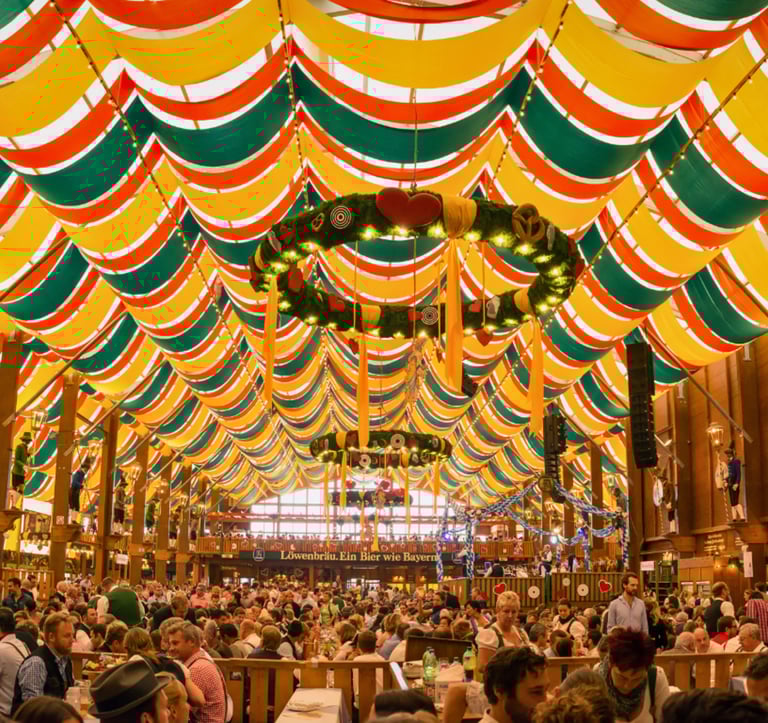
OKTOBERFEST
Oktoberfest (Munich’s annual folk festival) refers to the world’s largest Volksfest, held annually in Munich and combining a beer festival with a large-scale funfair. The event originated in 1810 as a royal celebration and has since evolved into a major cultural, economic, and touristic phenomenon. Oktoberfest highlights Bavarian traditions, brewing heritage, festive music, and large public gatherings. Its global recognition reflects the influence of Bavarian identity in international popular culture.
A defining element of Oktoberfest is the specially brewed festival beer known as Wiesnbier (Oktoberfest beer), produced by Munich’s traditional breweries. This beer adheres to the Reinheitsgebot (beer purity law) and is characterized by higher alcohol content and a malty profile. Beer is served in one-liter mugs, or Maßkrüge, within large festival tents called Festzelt (festival tent). Each tent is operated by a brewery or restaurant and features its own décor, menu, and musical program.
The festival grounds, known as the Theresienwiese (Therese’s Meadow), host a wide range of attractions. Amusement rides, including roller coasters and Ferris wheels, offer entertainment for visitors of all ages. Traditional music is performed by brass bands referred to as Blasmusik (brass band music), contributing to the lively atmosphere inside the tents. Food stands provide classic Bavarian dishes such as roast chicken, sausages, and pretzels, reinforcing the event’s culinary heritage.
Ceremonial traditions mark the official opening of the festival. The Mayor of Munich performs the symbolic tapping of the first beer keg, known as O’zapft is (it is tapped), which signals the start of beer service. Parades featuring historical costumes, riflemen, and decorated horse teams showcase local customs and guild traditions. These events illustrate the continuity of Oktoberfest’s cultural roots and the importance of ritual within large public celebrations.
The organization of Oktoberfest requires extensive logistical planning. Safety measures, crowd control, and coordination with emergency services are overseen by the Ordnungsamt (public order office) and festival management authorities. Environmental measures such as Müllkonzept (waste management plan) ensure sustainable handling of waste and recycling during the festival. These comprehensive systems enable the smooth operation of an event visited by millions.
Economic impact is significant. Oktoberfest generates substantial revenue through tourism, hospitality, merchandise, and transportation. Hotels, restaurants, and local businesses benefit from the influx of international visitors. Oktoberfest’s influence also extends globally. Numerous cities host their own Oktoberfest-inspired events, promoting Bavarian food, beer, and music. While these adaptations vary in authenticity, they demonstrate the cultural reach of the festival.
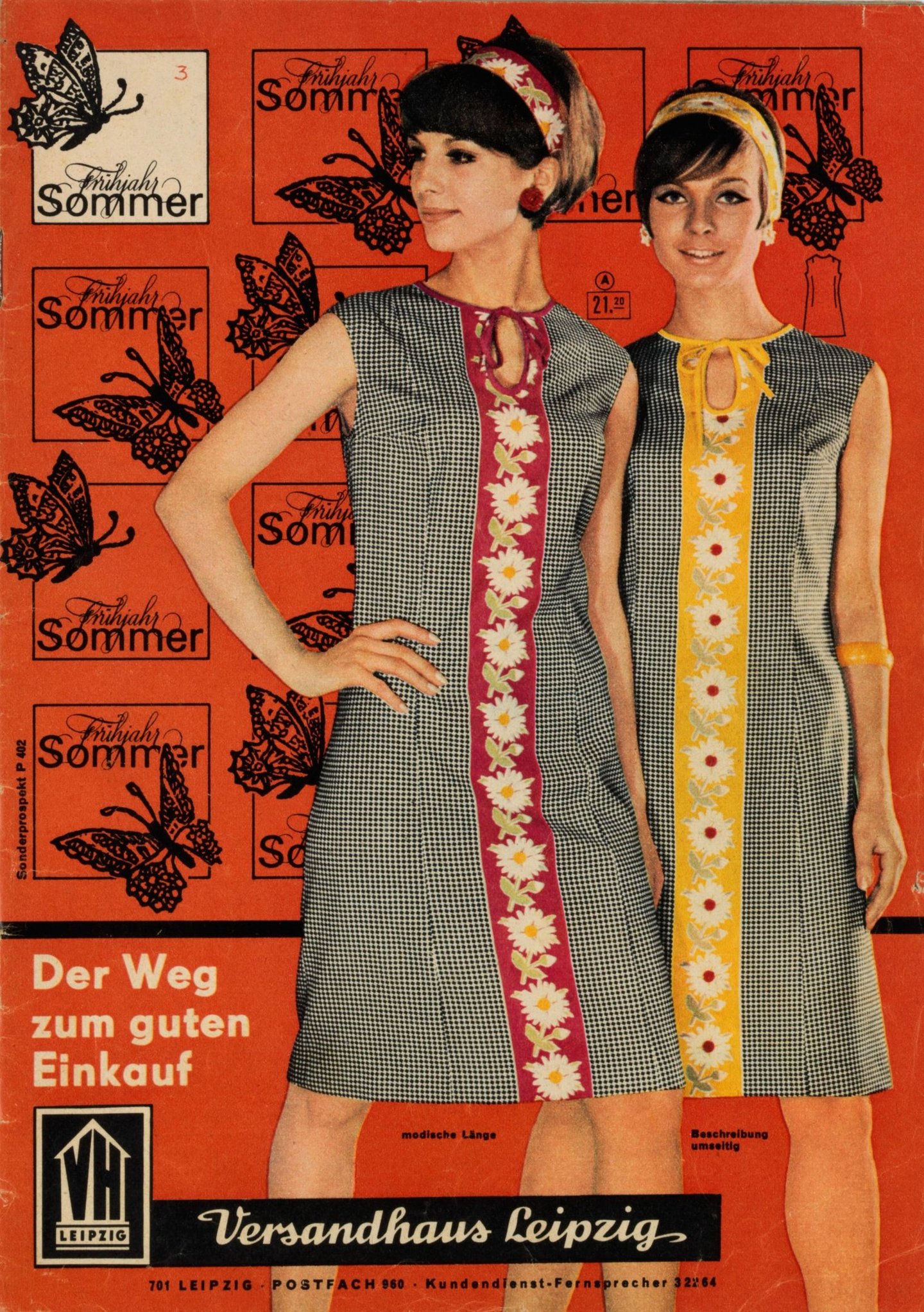
OSTALGIE
Ostalgie (nostalgia for East Germany and GDR-era products) refers to the cultural and emotional sentiment characterized by a renewed interest in everyday objects, traditions, and social aspects of life in the former German Democratic Republic (GDR). The term emerged prominently after German reunification in 1990, as citizens of the former East Germany processed rapid political, economic, and social changes. Ostalgie reflects both personal memory and collective identity, illustrating how historical experiences continue to shape contemporary culture.
The phenomenon often centers on consumer goods, brands, and cultural symbols that disappeared or changed after reunification. Many products, collectively known as Ostprodukte (East German consumer products), regained popularity due to their nostalgic associations. Examples include foods, beverages, and household items once produced under state-run industries. Souvenir shops and specialty stores called Ostshops (East nostalgia shops) sell these goods, catering to both former GDR citizens and tourists interested in material culture of the Cold War era.
Media and entertainment contribute significantly to Ostalgie. Films and television programs portraying everyday life in the GDR, such as DDR-Fernsehen (GDR television programming), evoke memories and encourage reflection. Comedy and satire often incorporate elements of Alltagskultur (everyday culture), presenting familiar situations from life before reunification. These representations influence generational memory and help frame public discussion about East German history.
Economic transition after reunification also shaped Ostalgie. Many industries in the former GDR underwent restructuring or closure, creating long-term social and economic effects. Discussions surrounding Transformationsprozess (post-reunification transformation process) highlight the challenges of adapting to a market economy. Ostalgie sometimes expresses a sense of stability and predictability associated with earlier social structures, even if these memories are selective or idealized.
Cultural identity plays a central role. Residents of the former East Germany, often referred to as Ostdeutsche (East Germans), may use Ostalgie to articulate regional heritage and distinct experiences. This includes attitudes toward community life, work culture, and state institutions. Organizations and cultural festivals celebrating GDR history use carefully contextualized presentations to differentiate cultural memory from political legitimacy. Critics warn that nostalgic portrayals may obscure political repression, surveillance, and restrictions associated with the GDR.
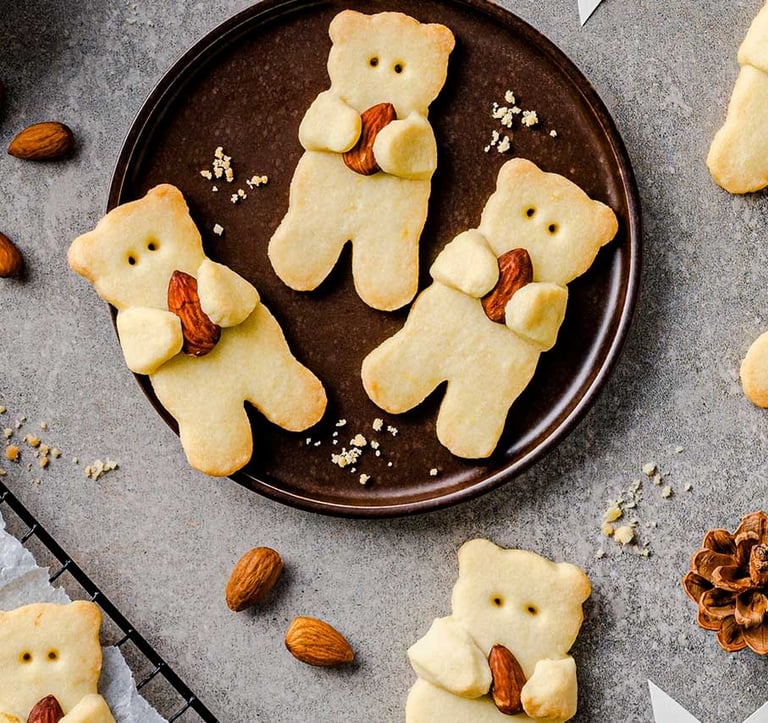

PLÄTZCHEN
Plätzchen (traditional German Christmas cookies) refers to a wide variety of small, sweet baked goods prepared during the Advent and Christmas season in German-speaking countries. These cookies form a central part of holiday baking traditions and are often associated with family gatherings, regional customs, and festive celebrations. Plätzchen are characterized by diverse shapes, flavors, and preparation techniques, reflecting both local and familial variations.
The preparation of Plätzchen typically begins in late November or early December, when families engage in home baking sessions known as Weihnachtsbäckerei (Christmas baking). Many recipes use simple ingredients such as flour, butter, sugar, and spices, combined into dough varieties including shortcrust, gingerbread, and nut-based mixtures. Classic types include butter cookies, cinnamon stars, and jam-filled varieties. Spices such as Zimtgewürz (cinnamon spice) and Nelkenaroma (clove aroma) contribute to the distinctive holiday flavor profile.
Special tools and techniques shape the appearance of Plätzchen. Dough is often rolled and cut using Ausstechformen (cookie cutters), available in forms such as stars, hearts, and seasonal motifs. Some cookies are piped through a pastry bag known as a Spritzbeutel (piping bag) to create decorative patterns. Others are shaped by hand or molded using traditional wooden forms. After baking, they are sometimes decorated with icing, chocolate, or icing sugar to enhance their festive presentation.
Regional differences contribute to the diversity of Plätzchen traditions. In Bavaria and Swabia, nut-based varieties such as hazelnut and walnut cookies are popular. In Rhineland areas, jam-filled cookies or marzipan-based treats are common. Franconia is known for spiced cookies influenced by earlier trade routes. These variations illustrate how holiday baking incorporates regional agricultural products and historical influences into contemporary culinary practice.
Plätzchen also hold cultural and social significance. They are often exchanged as gifts among family members, neighbors, and colleagues, reinforcing bonds of Weihnachtsgemeinschaft (Christmas community spirit). Children frequently participate in baking activities, learning recipes, decorating techniques, and family traditions. Baking sessions strengthen intergenerational connections and maintain culinary heritage through shared experience.
Commercial bakeries produce Plätzchen during the holiday season, offering standardized versions for broader distribution. However, homemade varieties retain special importance due to their personalization and traditional value. Seasonal markets, known as Weihnachtsmärkte (Christmas markets), feature artisanal cookies alongside other festive foods.


QUARK
Quark (fresh dairy curd cheese) refers to a soft, mildly acidic dairy product widely used in German-speaking countries for cooking, baking, and everyday meals. Produced by fermenting milk with lactic acid bacteria, Quark occupies a culinary category between yogurt, cottage cheese, and fresh cheese. Its versatility, nutritional value, and regional significance make it a central ingredient in both traditional and modern German cuisine.
The production of Quark begins with milk fermentation through Milchsäuregärung (lactic acid fermentation), which thickens the milk and separates it into curd and whey. After fermentation, the curd is strained to achieve the desired consistency. Industrial production uses controlled processes regulated under the Milchverordnung (milk regulation), ensuring hygiene, safety, and standardized fat levels. Quark is commonly sold in varieties ranging from low-fat to creamy full-fat versions, allowing for broad culinary application.
Quark plays a prominent role in sweet dishes. It forms the base of Käsekuchen (German cheesecake), which differs from American cheesecake by using Quark instead of cream cheese, resulting in a lighter texture. It also appears in fruit desserts, spreads, and puddings, often flavored with vanilla, cinnamon, or fresh berries. When combined with sugar and cream, Quark becomes a dessert cream called Quarkspeise (quark dessert cream), popular in family cooking and school canteens.
Savory dishes also rely on Quark. A well-known preparation is Kräuterquark (herb quark), which blends Quark with chives, parsley, salt, and pepper. This spread is commonly served with boiled potatoes, rye bread, or crispbread, illustrating the product’s role in simple, everyday meals. In regional cuisines, especially in eastern Germany, Quark is a key component of traditional dishes such as potato-and-quark combinations that highlight rural dietary patterns.
Nutritionally, Quark is valued for its high protein content and relatively low fat levels, making it popular in sports nutrition and health-conscious cooking. It contains essential amino acids important for muscle maintenance and is frequently recommended in Ernährungsempfehlung (dietary guidance) for athletes. Its mild flavor and adaptable texture support its use in both high-protein snacks and balanced meals.
Commercial distribution of Quark reflects strong consumer demand. Supermarkets offer multiple varieties, including organic brands regulated under Biozertifizierung (organic certification), flavored options, and products designed for baking. Certain types such as Speisequark (table quark) are specifically formulated for cooking and retain stability when heated. Regional dairies also produce artisan Quark, emphasizing traditional methods and local milk sources.
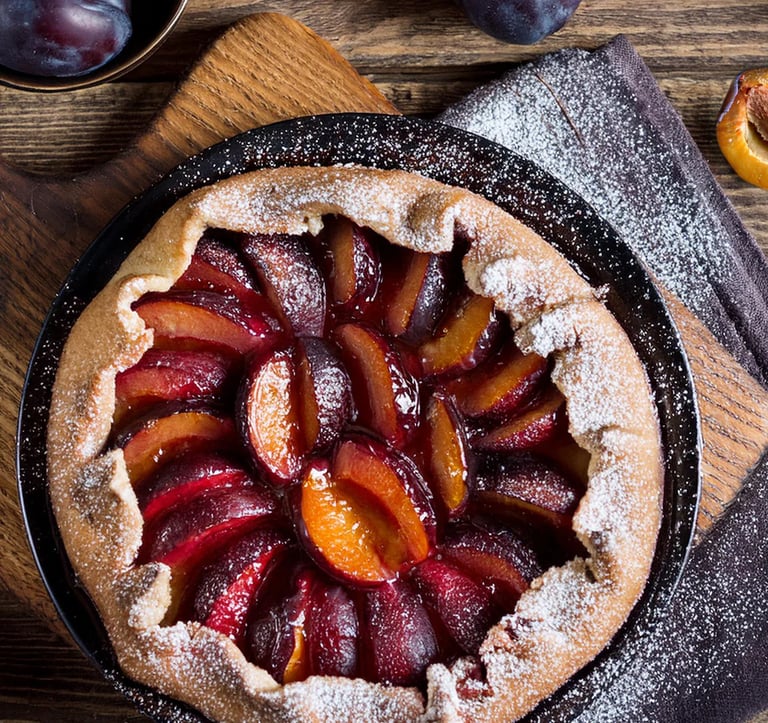
QUETSCHEKUCHE
Quetschekuche (plum cake) refers to a traditional sheet cake made with fresh plums, particularly popular in southwestern Germany, the Rhineland, Saarland, and parts of Hesse. The name derives from the regional word Quetsche for plums. The cake is strongly associated with late-summer and early-autumn baking, when local plums reach peak ripeness. Its preparation reflects regional agricultural practices, household baking traditions, and long-standing culinary customs linked to seasonal produce.
The base of Quetschekuche is typically a yeast dough known as Hefeteig (yeast dough), although some regions prefer a shortcrust base called Mürbeteig (shortcrust dough) for a denser texture. The dough is rolled onto a large baking sheet known as a Backblech (baking tray), forming the foundation for layers of halved plums. Bakers traditionally use oval plums or damsons called Zwetschgen (damson plums), valued for their firm flesh and ability to maintain structure during baking. This variety provides the characteristic balance of sweetness and acidity central to the cake’s flavor.
The fruit layer is often arranged vertically to prevent excess moisture from flooding the dough and to create an even surface. Before baking, some households add a mixture of cinnamon and sugar referred to as Zimt-Zucker (cinnamon sugar), enhancing aroma and caramelization. Another regional addition is a crumb topping called Streusel (crumb topping), particularly common in the Rhineland-Palatinate. These variations reflect family traditions and regional preferences, illustrating the adaptability of the recipe.
Quetschekuche has cultural significance beyond its culinary role. It is closely linked to harvest festivals such as Kerb (local parish fair), where the cake is traditionally served alongside coffee or wine. In wine-producing regions, it is commonly paired with new wine known as Federweißer (young fermenting wine), creating a seasonal combination that marks the arrival of autumn. This pairing is deeply integrated into regional identity and social life.
Commercial bakeries produce Quetschekuche throughout the plum season, but homemade versions remain especially respected due to their reliance on freshly picked fruit. Many families schedule baking around local plum harvests, maintaining connections to agricultural rhythms. The cake is often baked in large quantities to share with neighbors, reinforcing the tradition of Kaffeeklatsch (coffee gathering), where cake plays a central social role.
Preservation practices also accompany the tradition. Some households prepare large batches of plum halves for freezing, allowing Quetschekuche to be baked outside the harvest season. Others make compotes and preserves such as Zwetschgenmus (plum butter), extending the use of seasonal produce into winter months.
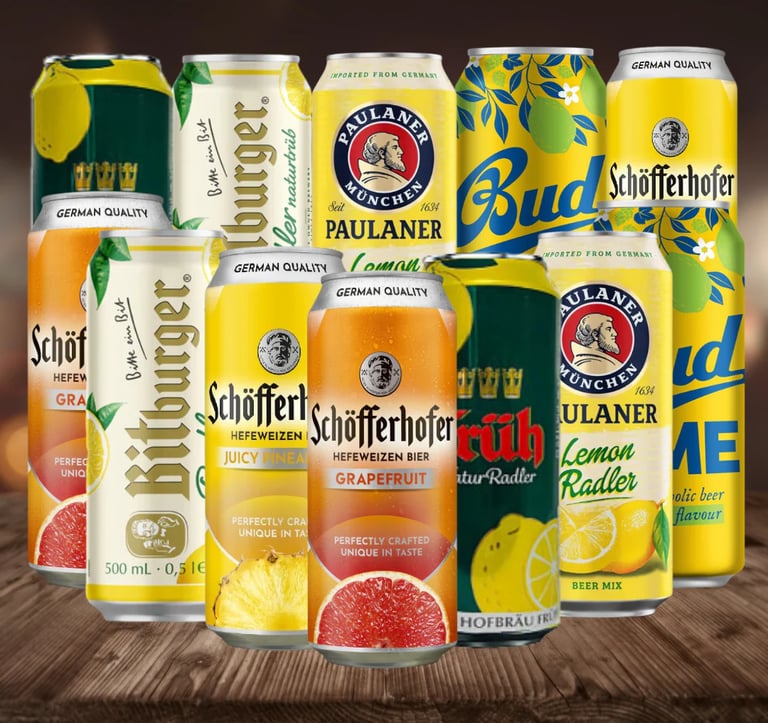
RADLER
Radler (beer mixed with lemonade) refers to a widely consumed beverage in German-speaking countries created by combining beer with citrus-flavored lemonade or lemon soda. The drink is refreshing, low in alcohol, and strongly associated with summertime activities, outdoor dining, and recreational travel. Its popularity reflects broader cultural preferences for lighter beer-based drinks and the tradition of mixing beverages to create regional specialties.
The typical mixture for Radler consists of equal parts beer—often pale lager—and a carbonated lemon soda known as Zitronenlimonade (lemonade soda). The combination produces a mild, slightly sweet beverage that retains some bitterness from the beer while offering bright citrus notes. Some regions prepare Radler using cloudy lemon sodas referred to as Naturtrübe Limo (naturally cloudy lemonade), resulting in a more nuanced flavor profile. Alcohol content varies depending on the ratio used but is generally lower than that of regular beer.
The origin of Radler is linked to early twentieth-century cycling culture. According to popular accounts, an innkeeper created the drink to refresh cyclists traveling along new leisure routes, giving rise to its name, which literally means “cyclist.” These routes, known today as Radwege (bicycle paths), continue to associate the beverage with outdoor activity. While the historical accuracy of the origin story is debated, the narrative reflects the social atmosphere of the era and the rise of recreational tourism.
In beer gardens across southern Germany, Radler holds an established place in Biergartenkultur (beer garden culture). It appeals to visitors seeking a lighter alternative to traditional lager, especially during warm weather. The drink is often served in half-liter or liter mugs, depending on region and establishment. Commercial bottled versions are also available, offered by breweries under regulated beverage production laws known as Getränkeschutzbestimmung (beverage protection regulation).
Regional variations of Radler highlight local adaptations. In Austria and some parts of Bavaria, a similar drink called Russ (Russ beer mix) is made by combining wheat beer with lemonade. Northern regions sometimes use orange soda or grapefruit soda to produce alternative mixes, demonstrating the flexibility of the category. These adaptations reflect consumer preferences and creative approaches to beverage mixing.
Radler is also part of contemporary health and lifestyle trends. Its reduced alcohol content makes it a popular choice for individuals seeking moderate consumption. Alcohol-free versions, known as Alkoholfreier Radler (alcohol-free radler), expand accessibility for drivers, sports participants, and consumers preferring non-alcoholic options. This diversification illustrates the beverage sector’s responsiveness to changing habits.
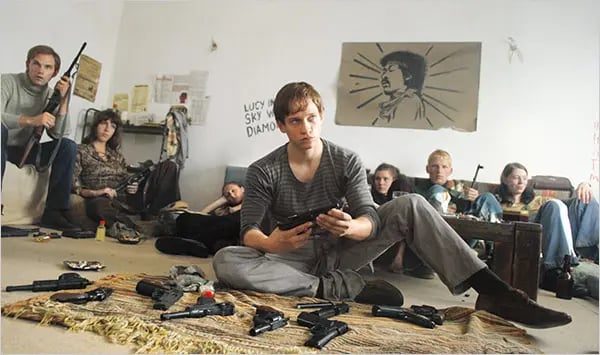
RED ARMY FACTION
RAF (Red Army Faction) refers to the left-wing militant organization active in West Germany from the 1970s to the 1990s. The group pursued an anti-capitalist and anti-imperialist agenda through violent means, including bombings, assassinations, kidnappings, and robberies. The RAF emerged from student protest movements, radical intellectual circles, and opposition to state institutions, becoming one of the most significant domestic terrorist groups in postwar German history. Its actions shaped security policy, political debate, and public consciousness for decades.
The formation of the RAF is closely linked to the late 1960s political climate. Student groups protesting authoritarian structures, the Vietnam War, and perceived continuities with the Nazi past created a broader ideological environment known as Außerparlamentarische Opposition (extra-parliamentary opposition). A radical faction within these movements embraced militant strategies, leading to the establishment of the RAF’s founding generation. Key figures underwent clandestine training known as Untergrundschulung (underground training), laying the groundwork for coordinated actions.
The group’s operational history is often divided into three generations. The first generation conducted attacks in the early 1970s, prompting intensive state responses including new security measures under Bundeskriminalamt-Ermittlungen (federal criminal police investigations). High-profile arrests and trials placed the organization at the center of public debate. The imprisonment of core members led to hunger strikes, political protests, and the controversial deaths of several members in custody, events that intensified political polarization.
The 1977 escalation, known as Deutscher Herbst (German Autumn), marked the most dramatic phase. The RAF carried out assassinations, including the killing of economic leaders, and coordinated with Palestinian militants to hijack an aircraft. The government responded with large-scale security operations coordinated through Krisenstab (crisis task force), culminating in the rescue of hostages in Mogadishu. The period highlighted tensions between civil liberties, counterterrorism, and political stability.
The second and third generations of the RAF continued operations into the 1980s and early 1990s, targeting military facilities, diplomats, and corporate leaders. Their structure became increasingly clandestine, supported by logistical networks called Unterstützerkreise (support circles). Germany’s federal security architecture—including intelligence, police, and prosecutorial agencies—adapted through legislative reforms and improved interagency cooperation.
The RAF officially dissolved in 1998, communicated through a letter declaring the end of its organization. Investigations into unresolved cases, archival research, and public discussions continue to shape historical understanding. Memorials, documentation centers, and educational initiatives within Politische Bildung (civic education) programs aim to contextualize the group’s actions within democratic frameworks.


RHEINROMANTIK
Rheinromantik (Romanticism associated with the Rhine landscapes) refers to the cultural, artistic, and literary movement that idealized the Middle Rhine Valley during the late eighteenth and nineteenth centuries. This region, characterized by steep vineyards, medieval castles, and picturesque towns, became an emblematic setting for German Romanticism. Rheinromantik influenced literature, painting, music, tourism, and national identity, establishing the Rhine as a symbol of cultural heritage.
The development of Rheinromantik coincided with the rise of European Romanticism, which emphasized emotion, nature, and historical imagination. Writers and poets drew inspiration from the river’s dramatic geography known as Rheinlandschaft (Rhine landscape), where cliffs, forests, and winding river bends created evocative scenery. Medieval ruins, particularly castles referred to as Burgruinen (castle ruins), became central motifs representing a rediscovered fascination with the Middle Ages, chivalry, and legend.
Literary works played a foundational role. Poets such as Clemens Brentano and Heinrich Heine incorporated Rhine settings into their poetry, deepening the cultural resonance of the region. Folk tales, including the legend of the Lorelei, a siren-like figure associated with the Loreleyfelsen (Lorelei cliff), shaped popular imagination and reinforced the mystical qualities attributed to the Rhine. These narratives illustrate the intersection of folklore, natural landscape, and Romantic symbolism.
Visual art also contributed to Rheinromantik. Painters associated with the Düsseldorf School created detailed landscapes capturing the interplay of light, water, and architectural ruins. Their works, described as Rheinlandschaftsmalerei (Rhine landscape painting), helped establish a recognizable aesthetic. Popular motifs included vineyards, towns perched on hills, and the river framed by steep cliffs. These images circulated widely through prints, influencing the European perception of the Rhine.
The period also saw major advances in Rhine tourism. Steamship travel, known as Dampfschifffahrt (steamship navigation), enabled visitors from across Europe to tour the valley. Travel literature and illustrated guidebooks promoted the region as a must-see destination, solidifying its reputation as the heart of German Romantic nature. Towns such as Rüdesheim, Bacharach, and St. Goarshausen became cultural landmarks. Hotels, promenades, and viewpoints were developed to accommodate growing tourist interest.
Rheinromantik intersected with national identity during the nineteenth century. As German states moved toward unification, the Rhine became a symbolic boundary and patriotic emblem. Poems, songs, and artworks emphasizing Vaterlandsgefühl (patriotic sentiment) portrayed the river as an integral element of German cultural and historical identity. Political tensions with France further heightened the symbolic importance of the Rhine as a cultural frontier.
Modern interpretations of Rheinromantik continue to influence tourism and heritage preservation. UNESCO designated the Upper Middle Rhine Valley as a World Heritage Site, recognizing its combination of natural beauty, historical architecture, and cultural significance. Conservation programs oversee castle restoration, vineyard terraces, and landscape protection under frameworks such as Kulturlandschaftspflege (cultural landscape preservation).
RIESLING
Riesling (Riesling wine variety) refers to one of the most important white grape varieties in Germany and a key component of the country’s viticultural identity. Known for its aromatic complexity, high acidity, and ability to express terroir, Riesling is cultivated extensively along the Rhine, Moselle, and their tributaries. The grape is central to both domestic wine culture and international perceptions of German winemaking. Its versatility supports styles ranging from dry to sweet, still to sparkling, and young to long-aged.
The characteristics of Riesling are strongly influenced by regional growing conditions. Vineyards located on steep slate slopes, particularly in the Moselle region, benefit from Schieferboden (slate soil), which retains heat and contributes mineral notes to the wine. The Rhine Valley offers diverse microclimates known collectively as Weinbauklima (viticultural climate), supporting expression of floral, citrus, and stone-fruit aromas. These environmental factors allow Riesling to achieve a balance of acidity, fruitiness, and aromatic intensity.
German wine law classifies Riesling according to ripeness categories under the Prädikatsstufe (quality classification level), which include Kabinett, Spätlese, Auslese, and higher grades. These categories indicate the natural sugar content of the grapes at harvest and guide stylistic expectations. Dry wines are labeled according to Trockenheitsgrad (dryness level), with “trocken” representing fully dry styles and “halbtrocken” indicating off-dry versions. These classifications help consumers navigate the wide spectrum of Riesling wines available on the market.
Production techniques also shape Riesling’s profile. Stainless steel fermentation, referred to as Edelstahltankgärung (stainless steel tank fermentation), preserves freshness and aromatic clarity, while large wooden casks known as Stückfass (traditional wooden cask) introduce subtle textural changes without dominant oak influence. Winemakers often employ temperature control and slow fermentation processes to enhance aromatic development and achieve precision in flavor balance.
Riesling occupies an important place in Germany’s wine culture. Wine festivals, known as Weinfest (wine festival), celebrate regional harvests and provide opportunities for public tasting. Vineyard landscapes, historic cellars, and community wine traditions illustrate the integration of viticulture into local identity. The grape’s long history in German-speaking regions contributes to its status as a cultural symbol of quality winemaking.
Internationally, Riesling is recognized for its longevity and capacity for aging. High acidity and balanced sugar levels enable the development of complex aromas over time, including honey, petrol, and dried fruit notes. These aging characteristics position Riesling among the world’s most respected white wines. Export markets value both dry and sweet styles, making the grape a central ambassador for German wine abroad.
Economic significance is considerable. Riesling accounts for a major share of Germany’s vineyard area and forms the backbone of regional wine economies. Wine tourism supports local businesses, hospitality, and cultural events. Conservation of terraced vineyards, regulated through Steillagenbewirtschaftung (steep-slope vineyard management), preserves both production quality and landscape heritage.


SAUERKRAUT
Sauerkraut (fermented cabbage) refers to one of the most traditional and widely recognized foods in German-speaking regions. Produced through lactic acid fermentation of finely shredded white cabbage, Sauerkraut has deep historical, cultural, and nutritional significance. Its characteristic sour flavor results from natural microbial activity rather than vinegar, making it a staple of long-term food preservation in central Europe.
The production of Sauerkraut begins by shredding cabbage and mixing it with salt before tightly packing it into containers. The salt draws out moisture and creates the brine required for Milchsäuregärung (lactic acid fermentation), the biological process responsible for preservation. Historically, households used large ceramic vessels called Gärtopf (fermentation crock), equipped with water-sealed lids to maintain an anaerobic environment. Modern production may use stainless steel tanks or food-safe plastic containers but retains the same fermentation principles.
Sauerkraut plays an important role in German culinary tradition. It is frequently served as a side dish with pork, sausages, and regional specialties. One common preparation involves cooking it slowly with onions and spices to create Schmorkraut (braised sauerkraut), enhancing its flavor and texture. In southern Germany and Austria, it accompanies dumplings and roasted meats, while in the Rhineland, variations include sweetened or wine-infused versions prepared with apples or caraway.
Nutritionally, Sauerkraut is valued for its vitamin content, particularly vitamin C, and its beneficial probiotic properties. Historically, it supported winter diets when fresh produce was scarce, reducing nutritional deficiencies among rural populations. Its preservation qualities made it essential for long journeys, including maritime expeditions, where it helped prevent scurvy. These historical uses illustrate the broader significance of fermentation in food security.
Regional diversity contributes to the dish’s cultural identity. Specific varieties, such as the mild Weißkraut-Sauerkraut (mild white-cabbage sauerkraut), are produced in Baden-Württemberg and Bavaria. In Alsace, a related dish called Choucroute garnie highlights cross-border culinary exchanges. These regional forms demonstrate how local agricultural practices and taste preferences influence Sauerkraut traditions.
Commercial production of Sauerkraut follows high quality standards regulated under Lebensmittelverordnung (food regulation), ensuring hygiene and consistency. Factories process large volumes using automated shredding, salting, and fermentation systems, supplying both domestic and international markets. Packaged Sauerkraut is available fresh, canned, or vacuum-sealed, providing consumers with options for convenience while retaining traditional taste profiles.


SCHLAGER
Schlager (catchy, sentimental pop music) refers to a widely popular genre in German-speaking countries characterized by simple melodies, memorable refrains, and emotionally expressive lyrics. Schlager occupies a central place in the entertainment industry of Germany, Austria, and Switzerland, shaping musical tastes, television programming, and cultural festivities. Its broad appeal spans generations, making it a defining feature of mainstream German-language music.
The musical structure of Schlager emphasizes accessibility. Songs typically employ straightforward harmonic progressions known as Dreiakkordfolge (three-chord progression), bright instrumentation, and repetitive choruses designed for easy singing. Lyrics often focus on themes such as romance, nostalgia, happiness, and emotional resilience, forming part of the Gefühlssprache (language of emotions) that defines the genre. These characteristics support Schlager’s wide-ranging popularity at public events and family gatherings.
Historically, Schlager developed during the early twentieth century, gaining momentum through radio broadcasts and film musicals. Postwar economic recovery fostered demand for uplifting entertainment, leading to the rise of iconic performers. Variety shows known as Unterhaltungssendung (entertainment programs) promoted the genre through televised concerts and seasonal specials. These programs contributed to shaping a collective musical memory shared across German-speaking regions.
Schlager also plays an important role in festivals and social events. At gatherings such as Volksfest (folk festival), beer tents, and community celebrations, Schlager songs serve as communal anthems, encouraging participation through familiar melodies. Dance halls and club events continue to feature Schlager nights, demonstrating the genre’s adaptability to contemporary entertainment contexts. Its cheerful tone contributes to its association with celebration and social cohesion.
The industry surrounding Schlager is supported by specialized labels, concert organizers, and media networks. Major television productions, including annual music galas and live broadcasts, contribute to artist visibility. These shows follow strict production formats under Musikveranstaltungsreglement (music event standards), ensuring polished performances and broad demographic appeal. Artists often cultivate loyal fanbases, supported by merchandise, tours, and fan clubs.
Critics of Schlager sometimes argue that the genre’s sentimental style lacks artistic depth or complexity. In public discourse, these critiques relate to discussions of cultural taste, generational differences, and the boundaries between mainstream and alternative music. However, fans emphasize Schlager’s emotional sincerity, entertainment value, and cultural rootedness. The contrast between enthusiasm and skepticism highlights broader debates within popular culture.
Contemporary Schlager has diversified significantly. Modern interpretations incorporate electronic elements, pop production techniques, and crossover collaborations. This updated style, known as Pop-Schlager (pop-infused schlager), appeals to younger audiences while retaining core features of the genre. Streaming services and digital platforms further expand accessibility and broaden international reach.
SAUNA
Sauna (sauna) refers to the traditional heated room designed for sweating, relaxation, and physical recovery, deeply rooted in northern European culture and widely practiced in German-speaking countries. Although the concept originates from Finland, the sauna has become an integral part of wellness, sports, and leisure life in Germany, Austria, and Switzerland. Its cultural, physiological, and social dimensions make it a standard feature of spas, fitness centers, swimming complexes, and private homes.
The typical sauna operates through high temperatures generated by an electric or wood-burning stove known as a Saunaofen (sauna stove), which heats stones placed on top. Pouring water onto these stones produces steam, a process called Aufguss (steam infusion), which increases humidity and intensifies perceived heat. Aufguss ceremonies—performed by trained staff—often include scented oils, towel-waving techniques, and coordinated heat phases, forming one of the most distinctive elements of sauna culture in German-speaking regions.
Facility design follows specific principles. Traditional Finnish-style rooms use wooden benches called Saunabank (sauna bench) arranged at different heights to offer varying temperature zones. Lower benches remain cooler, while upper benches reach peak intensity. Air circulation systems ensure stable heat distribution, and materials such as spruce or pine are chosen for heat resistance and comfort. Glass-panel doors and integrated lighting create a calm environment known as Ruheambiente (relaxation atmosphere), supporting mental and physical rest.
German sauna culture emphasizes structured routines combining heat exposure and cooling phases. After each session, users cool down through outdoor air, cold showers, or immersion pools called Tauchbecken (cold plunge pool). These cycles promote circulation, muscle recovery, and stress reduction. Many facilities include relaxation rooms, drinking stations, and outdoor gardens, integrating sauna use into a broader wellness concept described as Saunalandschaft (sauna landscape), which may include steam baths, infrared cabins, and whirlpools.
Social norms differ from those in many other countries. Public saunas in German-speaking regions are generally textile-free and follow guidelines known as Saunaregeln (sauna rules), promoting hygiene, quietness, and respectful behavior. Mixed-gender areas are common, although some facilities offer women-only hours.


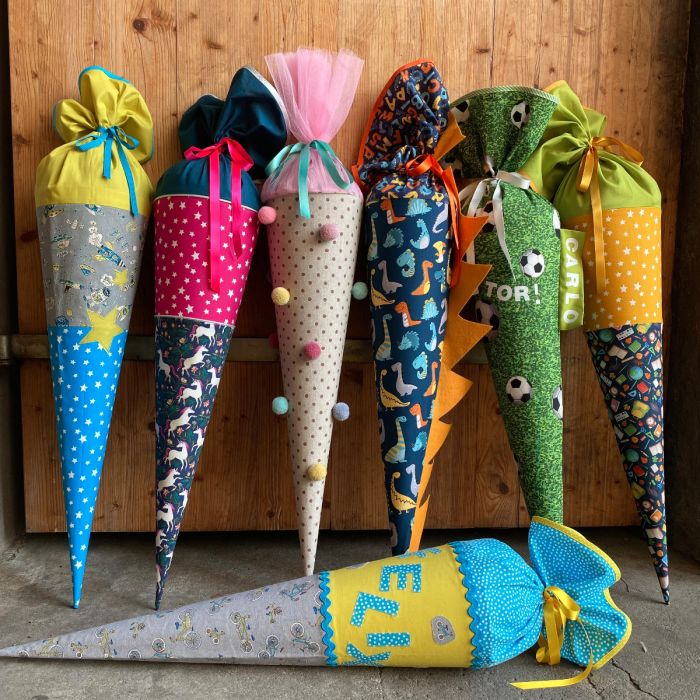
SCHULTÜTE
Schultüte (school cone for first graders) refers to the large, decorated cone filled with gifts, sweets, and school supplies given to children in German-speaking countries on their first day of school. The tradition marks the beginning of formal education and serves as a symbolic gesture intended to ease the transition into school life. The Schultüte has deep cultural significance, reflecting family customs, educational values, and intergenerational continuity.
The origins of the Schultüte date to the early nineteenth century, particularly in Saxony and Thuringia. Early cones were delivered by parents or relatives to children beginning school, reinforcing the importance of education within the household. Over time, the practice became widespread and institutionalized, with schools integrating the tradition into ceremonies known as Einschulungsfeier (school enrollment celebration). These events often include welcome speeches, classroom introductions, and performances by older students.
Schultüten vary in size, design, and contents. They are commonly made from sturdy cardboard and decorated with colors, patterns, and characters. Some families create handcrafted versions called Bastelschultüte (handmade school cone), emphasizing personal creativity and family involvement. Commercially produced cones are available in a wide range of themes, often reflecting popular media or hobbies. The top of the cone is closed with tissue paper known as Krepppapierabschluss (crepe paper closure), ensuring that contents remain hidden until the ceremonial opening.
The contents of a Schultüte typically reflect both practical and celebratory purposes. Common items include pencils, markers, notebooks, and other supplies required for the first school year. Sweets and small toys contribute to excitement and symbolic encouragement. Parents sometimes include accessories such as lunchboxes or water bottles associated with Schulausstattung (school equipment), reinforcing readiness for academic routines. The combination of practical and playful items supports a positive emotional association with the start of school.
Cultural meanings associated with the Schultüte extend beyond its material contents. The tradition underscores the importance of education as a milestone in a child’s life and reinforces family engagement with schooling. Photographs of the child holding the cone on the first day of school form a cherished aspect of Familienerinnerung (family memory), often passed down through generations. These images contribute to collective cultural imagery surrounding the beginning of school.
Schools and communities play a role in preserving the tradition. Many primary schools organize welcoming ceremonies, classroom tours, and gatherings that integrate the Schultüte ritual. Local businesses and craft stores promote Schultüte-making workshops, highlighting the connection between community institutions and cultural continuity. Exhibitions in regional museums sometimes include historical Schultüten, demonstrating the evolution of designs and materials over time.

STASI
Stasi (East German secret police) refers to the Ministry for State Security of the German Democratic Republic (GDR), one of the most extensive and intrusive intelligence and surveillance organizations of the twentieth century. The Stasi conducted domestic spying, foreign intelligence operations, and political repression, shaping everyday life in East Germany and influencing Cold War dynamics. Its activities continue to impact public memory, historical discourse, and post-reunification reconciliation.
Formally known as the Ministerium für Staatssicherheit (Ministry for State Security), the Stasi maintained a vast bureaucratic and operational structure. It employed full-time officers, informants, and technical specialists responsible for surveillance, infiltration, and enforcement. A major component was its network of unofficial collaborators called Inoffizielle Mitarbeiter (informal collaborators), recruited to report on colleagues, neighbors, and even family members. This surveillance system sought to prevent dissent, control political opposition, and maintain the authority of the ruling Socialist Unity Party.
Operational methods included extensive mail monitoring known as Postkontrolle (postal control), audio surveillance using concealed microphones termed Abhörtechnik (listening technology), and covert apartment searches referred to as Wohnungsdurchsuchung (residential intrusion). Psychological manipulation techniques known as Zersetzung (decomposition tactics) aimed to destabilize opponents through harassment, isolation, and disruption of social networks. These methods exemplify the Stasi’s emphasis on preemptive control rather than overt violence.
The Stasi also conducted foreign intelligence operations through the Hauptverwaltung Aufklärung (main directorate for intelligence), which targeted Western governments, NATO structures, and political organizations. Espionage activities included recruiting agents, collecting classified information, and influencing political discussions abroad. High-profile operations and defectors shaped international perceptions of East German intelligence capabilities.
Public interactions with the Stasi shaped daily life in the GDR. Citizens encountered surveillance indirectly through restricted travel, monitored communication, and social pressure to conform. Institutions such as workplaces, universities, and cultural organizations were integrated into the state security system. The climate of mistrust affected interpersonal relationships and social cohesion, contributing to a distinctive social environment marked by caution and self-censorship.
The dissolution of the Stasi followed the political upheavals of 1989. As protests spread across East Germany, citizens occupied Stasi offices to prevent destruction of records. The resulting archives, preserved under the authority of the BStU (Federal Commissioner for the Stasi Records), provide extensive documentation of surveillance practices, personal files, and institutional operations.
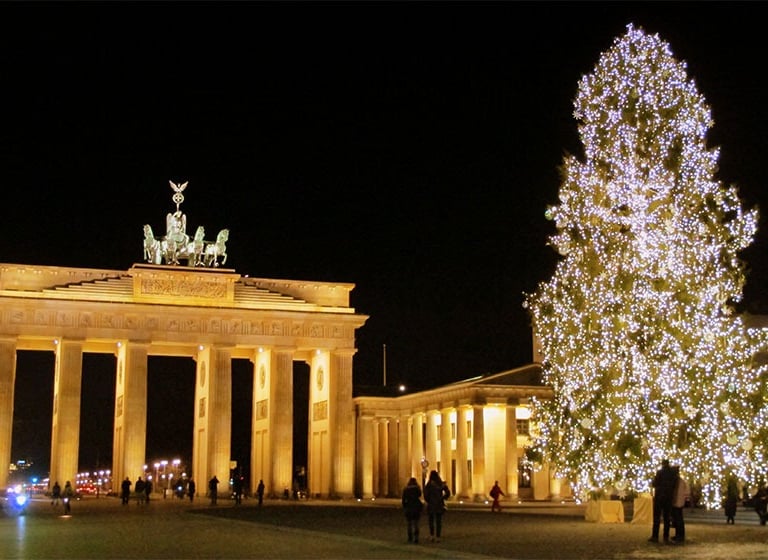
TANNENBAUM
Tannenbaum (Christmas tree) refers to the decorated evergreen tree that serves as one of the most recognizable symbols of Christmas in German-speaking countries. Traditionally made from fir trees, the Tannenbaum combines religious symbolism, winter folklore, and household custom. It plays a central role in holiday celebrations across Germany, Austria, and Switzerland, both in private homes and public spaces.
The cultural origins of the Tannenbaum date to early modern Europe, with fir trees symbolizing life and endurance during winter. By the sixteenth century, decorated evergreen trees appeared in guild houses and private homes, particularly in Alsace and along the Rhine. This early tradition evolved into wider domestic use during the nineteenth century, spreading through urban Bürgerkultur (bourgeois culture) and becoming a staple of holiday customs.
The selection of the tree reflects long-standing practices. Families commonly choose natural fir trees such as Nordmanntanne (Nordmann fir) or Blaufichte (blue spruce), valued for needle retention and fragrance. Tree farms participate in regulated cultivation under Weihnachtsbaumkultur (Christmas tree cultivation), ensuring sustainable forestry and high-quality trees. Many communities host markets selling fresh evergreens, contributing to seasonal commerce.
Decorating the Tannenbaum involves a blend of traditional and modern elements. Classic ornaments include candles or electric lights referred to as Lichterkette (string of lights), glass baubles, wooden carvings, and tinsel. Some families incorporate handmade decorations or heirloom items passed down through generations. The tree topper, often a star or angel known as a Weihnachtsstern (Christmas star), symbolizes guiding light and holiday spirit. Gifts are placed beneath the tree and opened during Christmas Eve celebrations.
Public spaces also feature prominent Tannenbäume. Town squares display large trees adorned with lights, creating festive atmospheres during Advent. These displays often accompany Christmas markets known as Weihnachtsmärkte (Christmas markets), where seasonal foods, crafts, and music contribute to the cultural environment. The communal presence of Tannenbäume reinforces shared holiday customs and civic celebration.
Environmental considerations play a growing role in Tannenbaum traditions. Some households choose potted trees known as Wurzeltannen (rooted fir trees), which can be replanted after the holiday season. Others select certified sustainable trees regulated under forest stewardship guidelines. Disposal and recycling programs managed by municipal Stadtreinigung (city sanitation services) ensure responsible handling of post-holiday tree waste, often repurposed for composting or mulch.
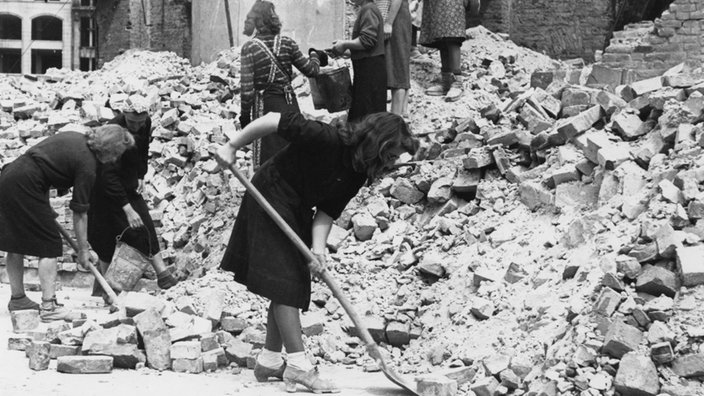
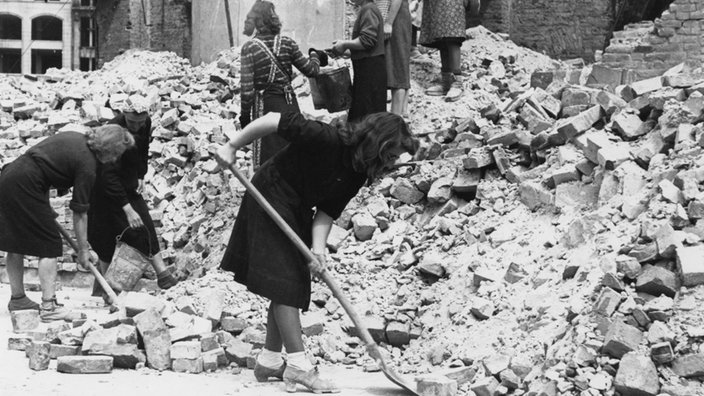
TRÜMMERFRAUEN
Trümmerfrauen (rubble women) refers to the women who participated in clearing the destroyed urban landscapes of German cities after the Second World War. Their work involved removing debris, salvaging reusable materials, and supporting reconstruction efforts during a period of severe labor shortages and social disruption. The figure of the Trümmerfrau has become an enduring symbol of resilience, collective effort, and postwar rebuilding in German historical memory.
The destruction of urban infrastructure required massive cleanup operations known as Trümmerbeseitigung (rubble clearance), which began immediately after the war. With many men dead, imprisoned, or missing, women formed a significant portion of the labor force. They worked in teams, clearing streets, sorting bricks, and gathering stones suitable for reuse under municipal programs termed Wiederaufbauprogramm (reconstruction program). Their tasks were physically demanding and often carried out using simple tools such as shovels, buckets, and handcarts.
Trümmerfrauen were frequently organized into local work brigades called Arbeitskolonne (work platoon), supervised by city authorities or Allied occupation administrations. Training in brick cleaning and material sorting was minimal, yet efficiency was critical due to the scale of destruction. Bricks cleaned by the women, known as Handstrichziegel (hand-cleaned bricks), became essential building materials for early reconstruction efforts in cities like Berlin, Dresden, Munich, and Hamburg.
Working conditions were harsh. The absence of mechanized equipment meant that most debris removal relied on manual labor. Dust, unstable structures, and exposure to the weather contributed to health risks. Nonetheless, many participants regarded their role as a civic duty tied to the broader Gemeinschaftsarbeit (community labor) needed to rebuild functioning cities. The work also provided ration coupons or monetary compensation at a time of economic scarcity.
The image of the Trümmerfrau became a central element of postwar public narratives. Newspapers, photographs, and memorial accounts depicted women clearing rubble as symbols of perseverance. These representations contributed to a cultural memory known as Aufbaugeist (spirit of rebuilding), connecting personal sacrifice with national recovery. However, historians emphasize that actual participation varied—while many women took part, not all regions relied heavily on female rubble labor, and the symbolic figure sometimes exceeds historical scale.
ÜBERRASCHUNGSEI
Überraschungsei (chocolate egg with a toy inside) refers to the small, hollow chocolate egg containing a capsule with a toy, produced predominantly by the Italian company Ferrero and widely consumed in German-speaking countries. Known colloquially as Ü-Ei, it combines confectionery with a miniature collectible toy, making it a popular product among children and a nostalgic item for adults. The mixture of chocolate and play contributes to its long-standing cultural presence.
The structure of the Überraschungsei consists of a chocolate shell surrounding a plastic capsule called a Kapselbehälter (capsule container), which holds a toy or assembly kit. These toys often require simple construction and belong to themed series known as Sammelserie (collectible series). Collectors seek complete sets, and seasonal editions further expand interest. The element of surprise—central to the concept—has contributed to the product’s enduring appeal since its launch in the early 1970s.
Manufacturing follows strict quality and safety regulations. Production facilities adhere to guidelines established under German food law known as Lebensmittelkontrollverordnung (food control regulation), ensuring hygiene, ingredient quality, and safe toy components. The chocolate used is typically a milk chocolate blend, and the toys undergo testing to comply with standards for small parts. Packaging includes warnings regarding suitability for young children, reflecting regulatory emphasis on consumer safety.
The cultural significance of the Überraschungsei extends beyond confectionery. Many children associate receiving an Ü-Ei with treats, small rewards, or special occasions. The collectible nature fosters social interaction, as children exchange duplicate toys within informal trading networks described as Tauschgemeinschaft (trading community). These exchanges strengthen peer relationships and support early forms of collecting behavior.
The brand has expanded into themed collaborations with films, cartoons, and cultural icons. Limited editions featuring characters from popular media generate high demand among collectors. Online communities dedicated to Figurensammlung (figurine collecting) document rare items, production variants, and historical series, illustrating the depth of hobbyist engagement. Some vintage Ü-Ei toys have gained value on secondary markets, demonstrating the product’s role in collectible culture.
Regulatory differences across countries influence marketing and availability. For instance, due to rules governing toy-containing food products, the classic Ü-Ei is restricted in certain markets like the USA, while modified versions comply with alternative regulations.
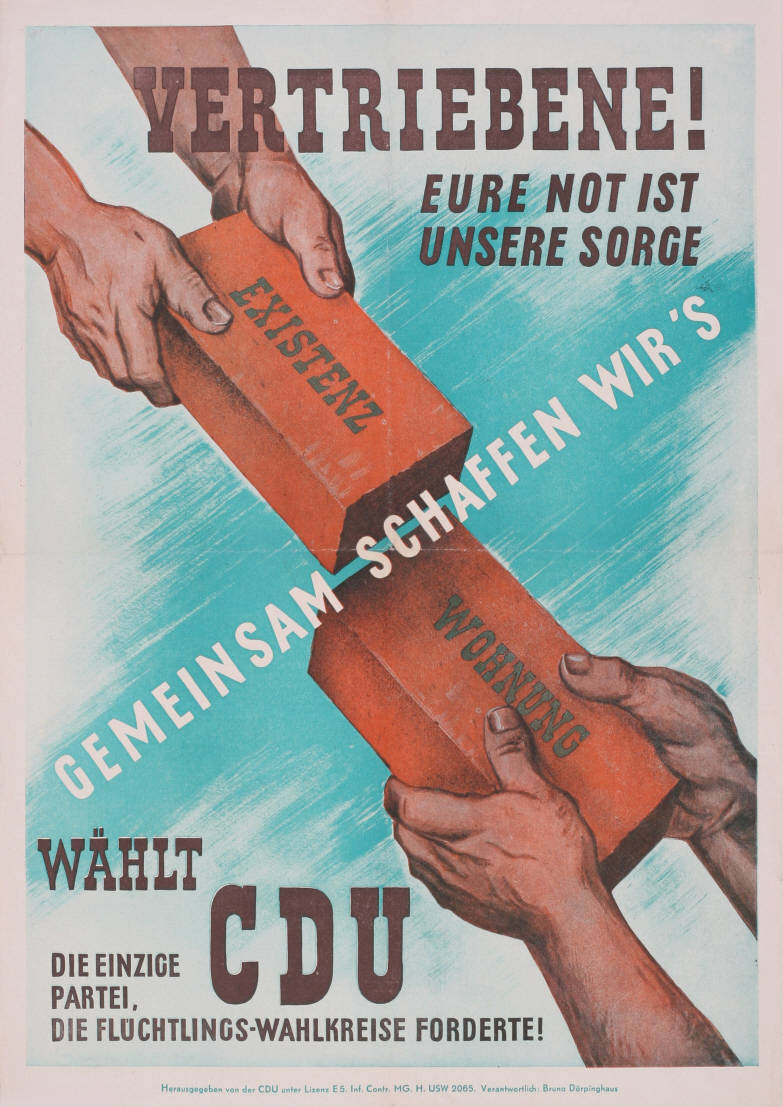
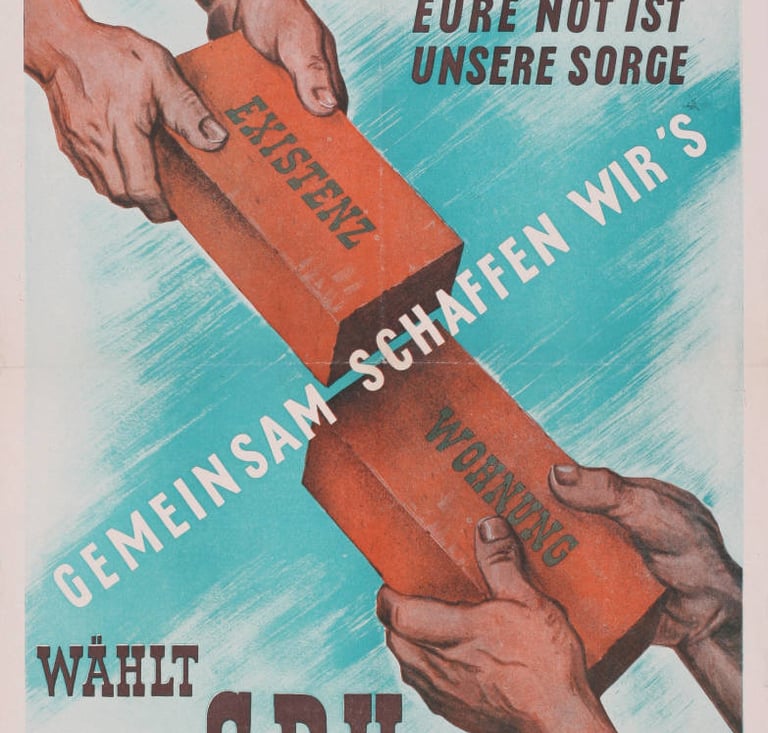
VERTRIEBENE
Vertriebene (expellees after WWII) refers to the millions of ethnic Germans who were displaced, expelled, or forced to flee from Central and Eastern Europe in the aftermath of the Second World War. These population movements reshaped demographics, politics, and social structures in both East and West Germany. The term encompasses individuals from regions such as Silesia, East Prussia, the Sudetenland, Pomerania, and parts of Hungary, Romania, and Yugoslavia.
The expulsions occurred between 1944 and the early 1950s, following military defeat, shifting borders, and international agreements. Refugee movements known collectively as Flucht und Vertreibung (flight and expulsion) involved chaotic evacuations ahead of advancing armies and organized expulsions implemented by postwar authorities. Transport was often carried out in overcrowded trains referred to as Behelfstransport (improvised transport), reflecting the difficult conditions endured by displaced families.
Upon arrival in Germany, Vertriebene encountered severe challenges. Both the Western occupation zones and the Soviet-occupied zone struggled with housing shortages, food scarcity, and infrastructural devastation. Many were initially placed in temporary camps called Notunterkunft (emergency accommodation), where living conditions were cramped and sanitation limited. Integration into local communities required administrative registration under the Meldeverfahren (registration procedure), as well as medical checks and ration distribution.
The economic and social incorporation of expellees varied between regions. In West Germany, government programs supporting employment, housing, and compensation were enacted through the Lastenausgleichsgesetz (burden-sharing law), which provided financial aid to those who had lost property. In East Germany, integration processes were influenced by socialist restructuring and nationalization policies, creating different social dynamics but similar pressures on local resources.
Culturally, Vertriebene brought with them traditions, dialects, and regional identities from their places of origin. Associations known as Landsmannschaft (expellee homeland association) developed to preserve cultural memory, advocate for political interests, and maintain community cohesion. These organizations held gatherings, published newsletters, and documented oral histories, contributing to the broader landscape of postwar German memory culture.
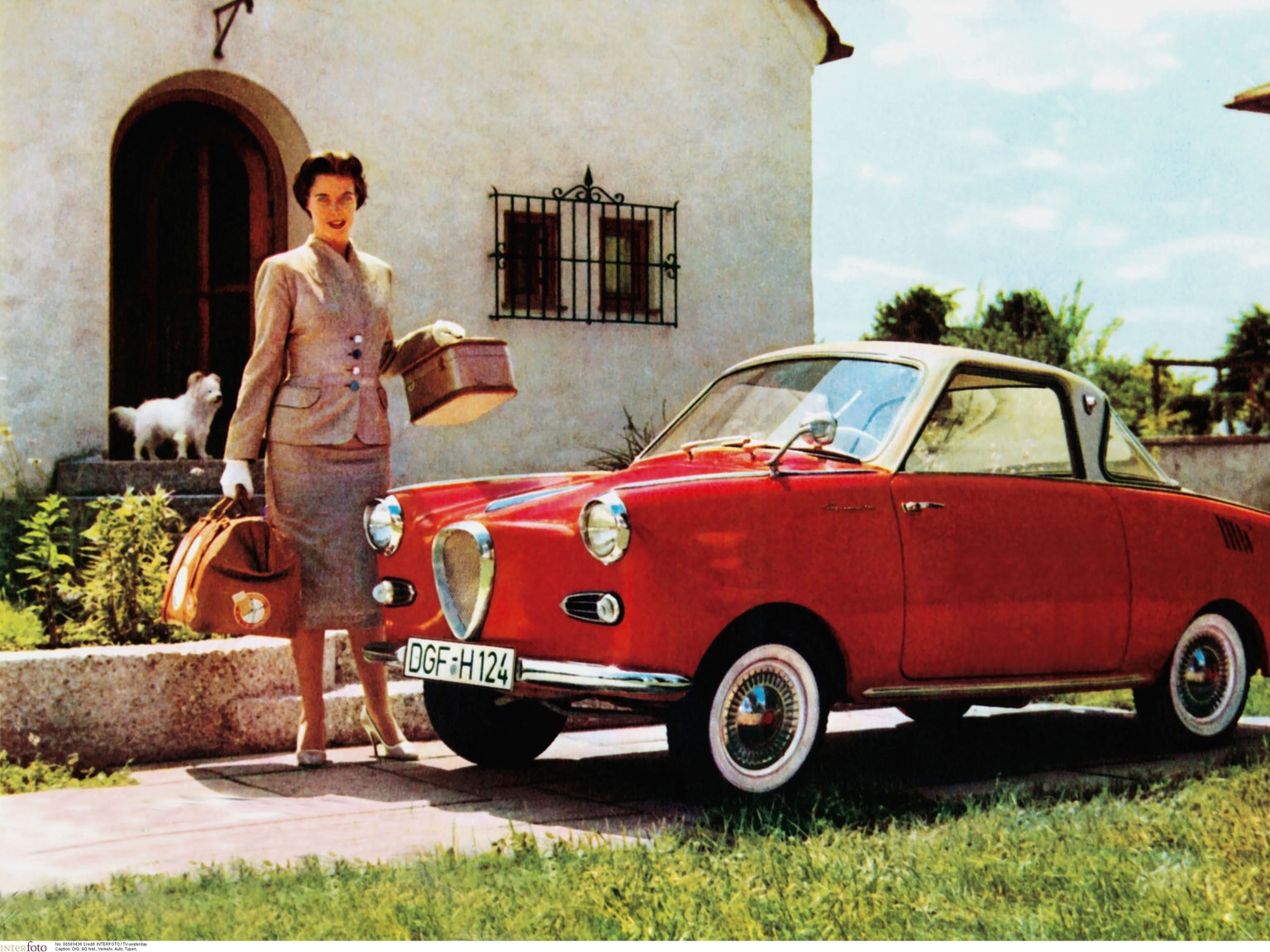
WIRTSCHAFTSWUNDER
Wirtschaftswunder (economic miracle) refers to the rapid economic recovery and sustained growth experienced in West Germany after the Second World War, particularly during the 1950s and early 1960s. This period transformed the country from wartime devastation to one of Europe’s leading industrial economies. The term captures both the pace of expansion and the social optimism that shaped public life during these decades.
The foundation of the Wirtschaftswunder was the introduction of the Soziale Marktwirtschaft (social market economy), a system combining free-market principles with social safeguards. This framework, developed under Economics Minister Ludwig Erhard, emphasized competition, stable currency, and regulated social welfare. The 1948 currency reform, which replaced the Reichsmark with the Deutsche Mark (German mark), restored consumer confidence and enabled efficient market functioning.
External support also accelerated recovery. The United States provided financial assistance through the Marshallplan (Marshall Plan), which supplied funds, raw materials, and technical expertise. These resources supported industrial reconstruction, infrastructure repair, and modernization of production facilities. Combined with domestic policies, this external stimulus created the conditions for export-oriented growth.
Labor played a crucial role. Millions of refugees and expellees from eastern territories, collectively known under Vertriebene (expellees), entered the labor force, supplying essential manpower for reconstruction and industry. Later, labor shortages led to the recruitment of foreign workers termed Gastarbeiter (guest workers), who contributed significantly to manufacturing, mining, and construction sectors.
Industrial output grew rapidly, particularly in coal, steel, automotive, and machinery. Major companies modernized production processes according to Rationalisierungspolitik (rationalization policy), which emphasized efficiency and technological innovation. Exports expanded, supported by competitive pricing and high product quality. The automotive industry, with brands headquartered in southern and western Germany, became a global symbol of engineering excellence.
Living standards rose significantly. Increased wages, stable employment, and mass production of consumer goods enabled households to purchase items such as refrigerators, washing machines, and radios—an expanding range of products collectively known as Konsumgüterpalette (consumer goods palette). Housing construction surged, supported by federal investment and urban planning programs.
Social change accompanied economic growth. Urbanization accelerated, educational opportunities expanded, and new cultural forms emerged reflecting modern lifestyles. Public sentiment increasingly embraced optimism, mobility, and participation in consumer culture. Internationally, West Germany’s economic success strengthened its position within Western alliances and contributed to European integration efforts.
Critics of the Wirtschaftswunder note that growth was uneven, with disparities between regions and social groups. Environmental consequences emerged from rapid industrialization, and economic dependence on global markets intensified. Nonetheless, the period remains widely regarded as transformative for the country’s economic and social foundations.


EXPAND YOUR KNOWLEDGE
If you are serious about learning German, we recommend that you download the Complete German Master Course.
You will receive all the information available on the website in a convenient portable digital format as well as additional contents: over 15.000 Vocabulary Words and Useful Phrases, in-depth explanations and exercises for all Grammar Rules, exclusive articles with Cultural Insights that you won't find in any other textbook so you can amaze your German-speaking friends thanks to your knowledge of their country and history.
With a one-time purchase you will also get hours of Podcasts to Practice your German listening skills as well as Dialogues with Exercises to achieve your own Master Certificate.
Start speaking German today!
For requests or suggestions: info@learndeutsch.org

Learn the official language of Germany in 30 days thanks to the most complete Grammar, Vocabulary and Culture courses available. Start speaking today!
© Copyright 2026 German Institute
Come visit Germany!